The Future of Coffee:
Market Trends, Sustainable Practices, and the Impact of Farm-Direct
By Dr. Jorge Ferrey
Director of Sustainable Farming and Quality Assurance, OBIIS
Have you ever wondered about the impact of Farm-Direct? Let me share a couple of examples and perspectives on the market.
The Global Coffee Landscape
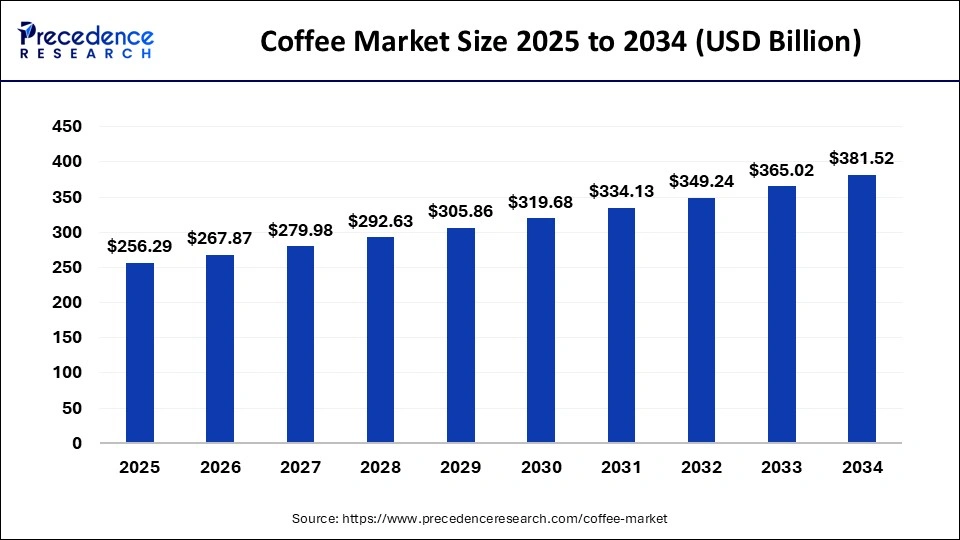
Coffee remains a global staple and a significant economic force. The market continues to grow, driven by increasing consumer demand, particularly in emerging markets, along with a thriving specialty coffee culture. Innovations such as ready-to-drink (RTD) options and at-home consumption also serve as important drivers.
The Evolving Coffee Market
The specialty coffee segment is experiencing rapid growth with consumers increasingly seeking unique, high-quality, and ethically sourced beans. Exciting innovations are emerging such as cold brew and functional coffees, alongside a strong consumer preference for transparently sourced, healthy, and experience-driven coffee. Technology is also playing a role, from smart ordering to advanced brewing techniques.
Challenges to the Coffee Future
Despite this growth, the coffee industry faces significant challenges.
- Climate Change: It threatens prime coffee-growing regions with unpredictable weather patterns, forcing farms to higher, less accessible altitudes.
- Environmental Degradation: Issues like deforestation, water pollution from processing, and the overall carbon footprint of production are pressing concerns.
- Socio-Economic Issues: Price instability often leads to farmer poverty, exploitation, and lack of access to essential services in producing regions.

Sustainable Coffee Farming: A Necessity, not a Luxury
To address these challenges, sustainable coffee farming is no longer optional. It is essential for long-term viability. This involves practices that minimize environmental impact, support farmer well-being, and ensure economic sustainability. Key methods include:
- Agroforestry/Shade-Grown Coffee: It mimics coffee’s natural environment, preserving biodiversity and soil health.
- Organic Farming: It avoids synthetic chemicals, improving soil fertility and water quality.
- Water & Soil Conservation:” Efficient irrigation, rainwater harvesting, and techniques to prevent erosion are crucial.
- Biodiversity Preservations: Protecting the broader ecosystem surrounding coffee farms.
These practices offer significant environmental benefits (reduced carbon footprint, improved ecosystem), economic advantages (long-term farm viability, access to premium markets), and social improvements (better farmer livelihoods, community development). They also build crucial consumer trust in ethically produced goods.

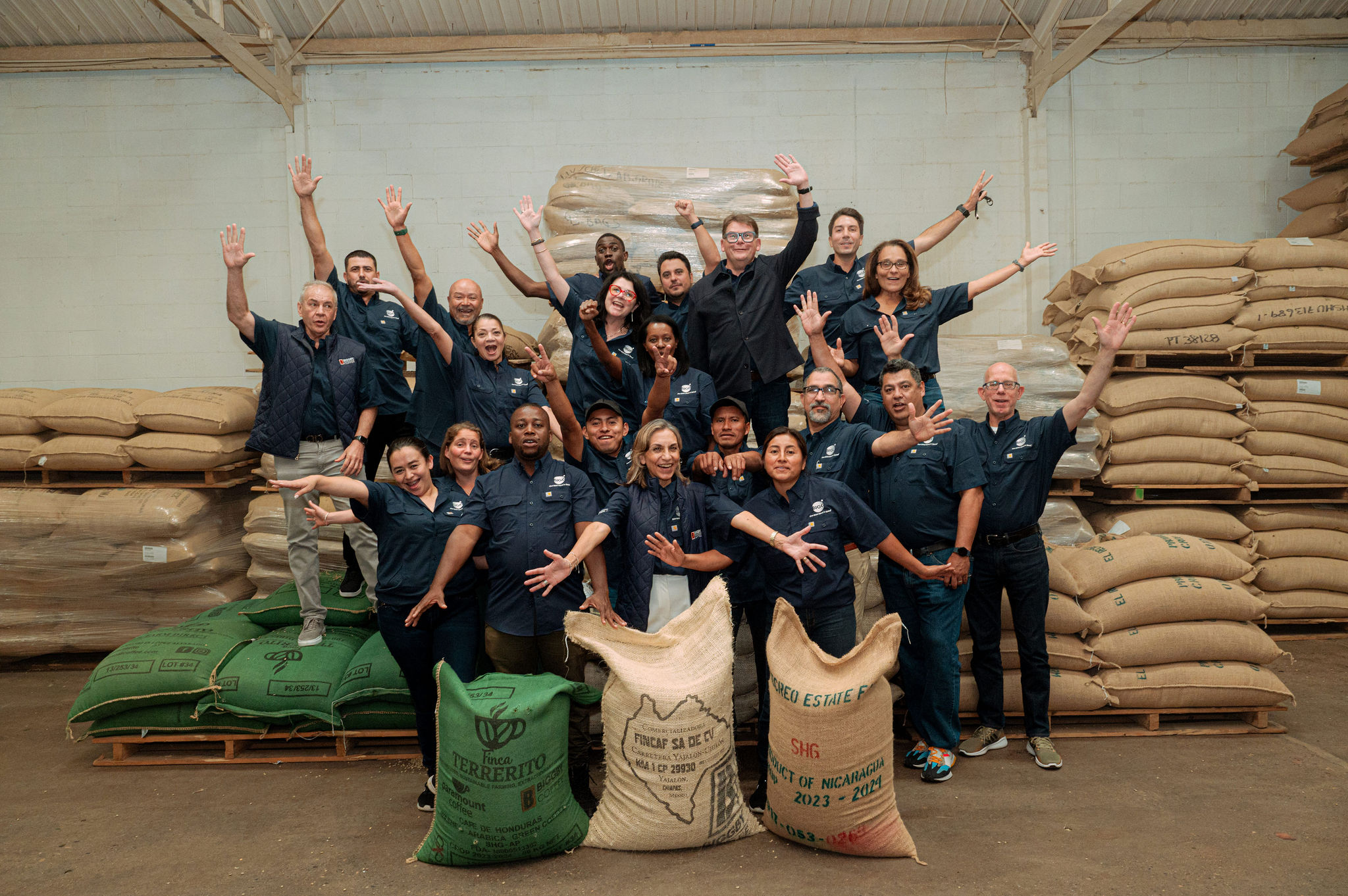
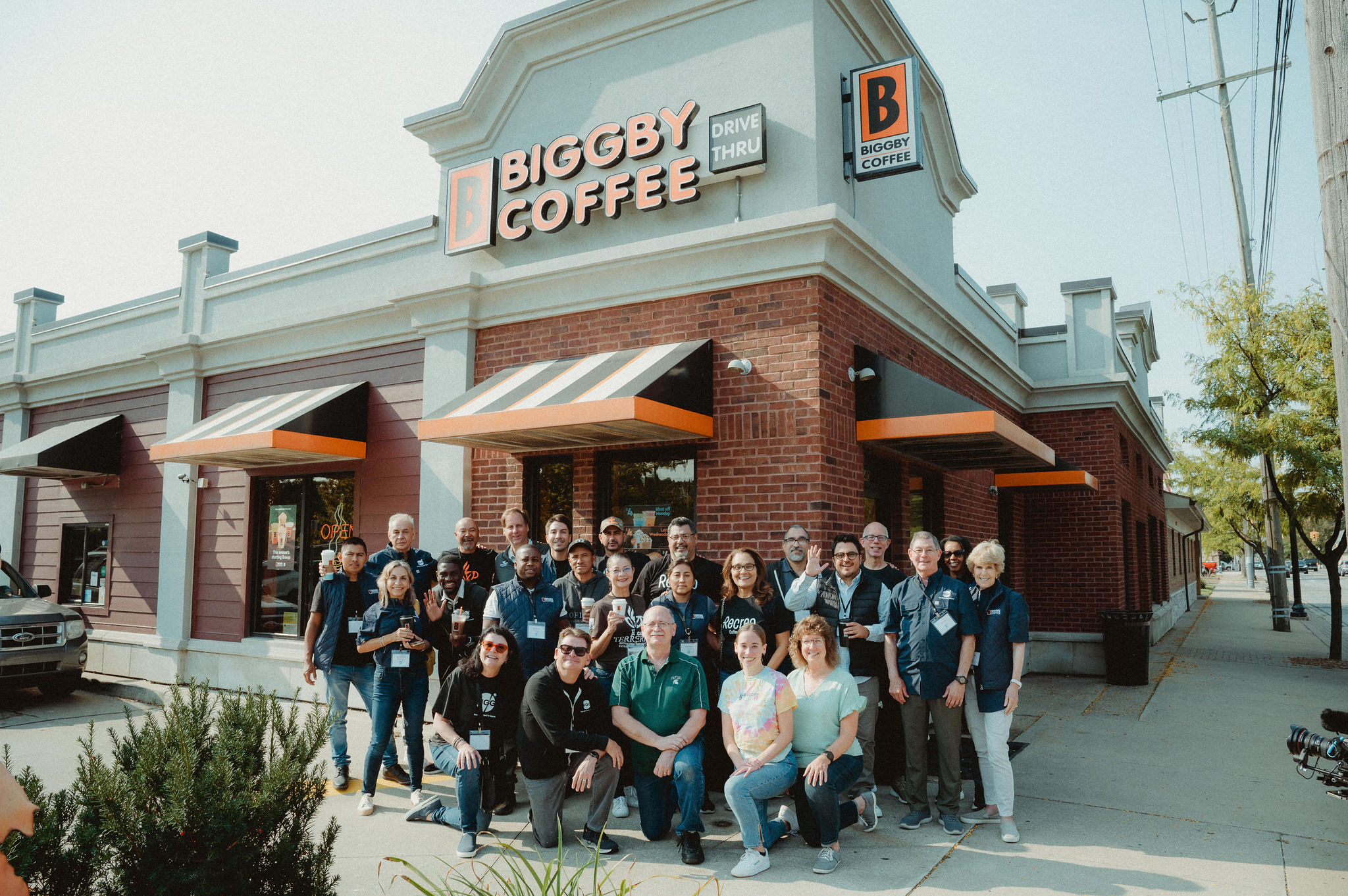
OBIIS Farm-Direct Partners Leana and Carlos Ferrey from the El Recreo Coffee Estate in Jinotega, Nicaragua.
Farm-Direct Models: Bypassing the Middlemen
Direct trade models are transforming the supply chain by establishing direct relationships between roasters/buyers and coffee farmers. This approach greatly enhances transparency and traceability.
Impact on Farmers
- Higher Prices and Increased Income: Farmers receive a significantly larger share of the profits, often exceeding Fair Trade minimums, leading to greater financial stability.
- Investment and Improvement: It enables farmers to invest in better practices, equipment, and community initiatives (education, healthcare).
- Quality Incentives: Direct relationships encourage and reward farmers for producing higher-quality beans.
- Knowledge Transfer: Roaster/Retailer Partners often provide technical support and training, fostering continuous improvement.
Benefits for Roaster/Retailer Partners and Consumers
- For Roaster/Retailer Partners: Gain access to unique, high-quality beans, greater supply chain control, an enhanced brand image, and compelling origin stories.
- For Consumers: Enjoy delicious, high-quality coffee with the assurance that their purchase directly supports farmers and sustainable practices.
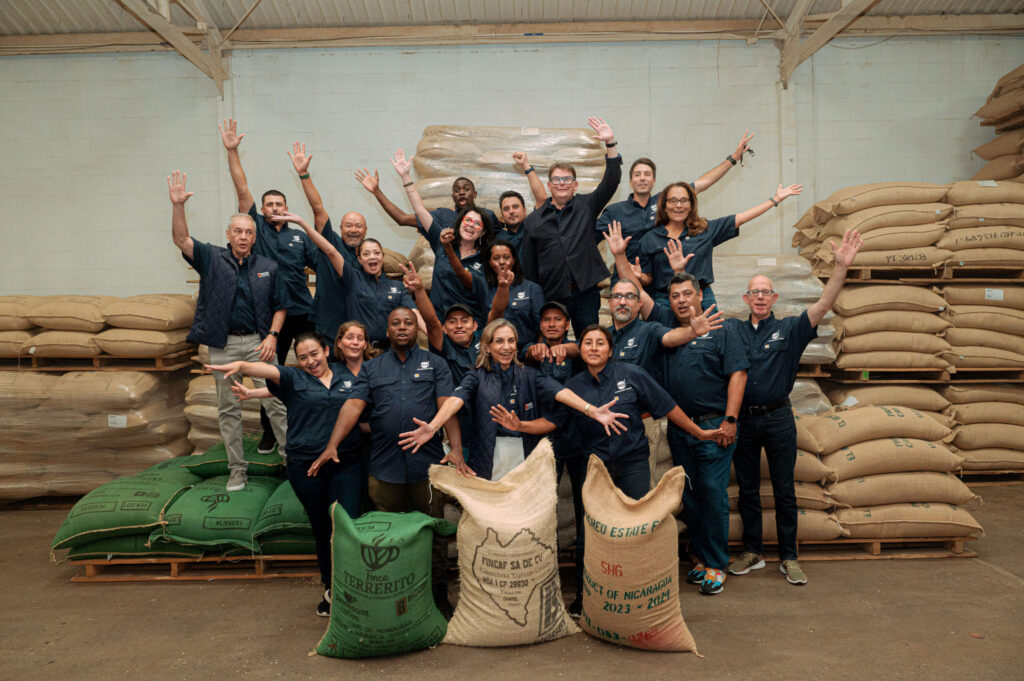
OBIIS’s Farm-Direct Partners at Paramount, September 2024.
A Collaborative Path Forward
The future of coffee relies on a holistic approach that integrates market trends with environmental stewardship and social equity. Both consumers and businesses have the power to drive positive change through their purchasing and sourcing decisions. By embracing sustainable farming and Farm-Direct models, we can cultivate a resilient, equitable, and consistently delicious future for coffee.