Understanding Farm-Direct & Farm Gate-Price
By Bob Fish
I’ve been a coffee retailer since 1995, when my partner and I opened our first BIGGBY COFFEE in East Lansing, Michigan. In 2018, my wife Michelle and I walked onto a coffee farm and met our very first coffee producer. Why? Curiosity met opportunity.
My first learning came as a shock. I thought I was in the coffee business. But I actually knew very little about coffee, or how it works. I was in the business of selling lattes.
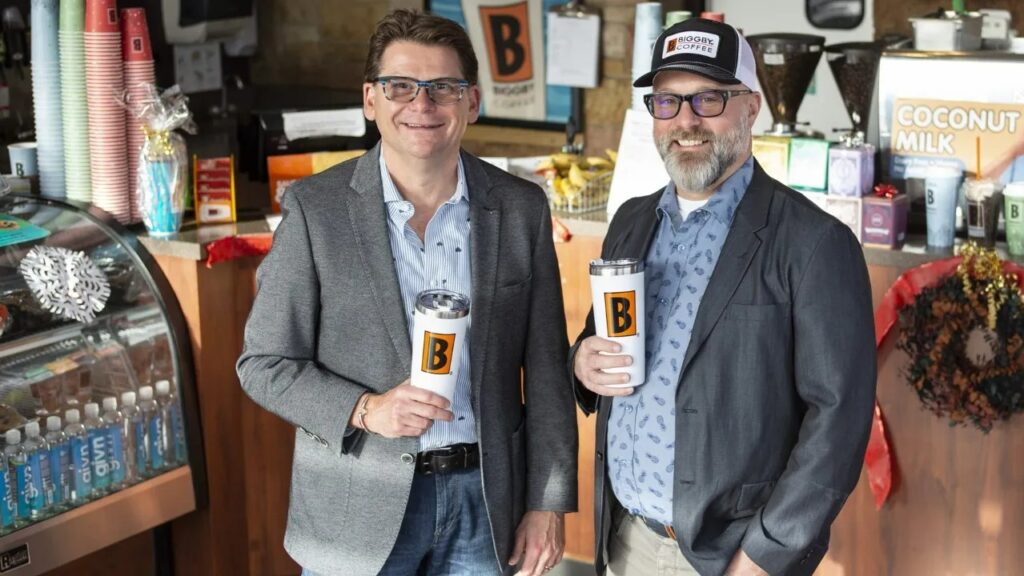
Bob Fish (left) and Mike McFall.
My second learning was that my ignorance was not by accident. The industry has been designed to keep the producer and the end user of coffee invisible to each other. Why? To hide the systemic exploitive practices that are entrenched from a bygone colonial era.
With my vast experience in franchising, distribution, marketing, operations, training, and leadership, I knew it didn’t need to be that way. I understand how to pull people together to create communities of otherwise unconnected people. And how to do that within the framework of a capital model that promotes prosperity for everyone in the value chain.
First things first.
We need to understand the real problem to begin to find a solution. A profitable solution that is bigger than any one part of the chain, and that can benefit all who participate.
That is work worth doing. It is full of purpose, a worthy mission and a vision. And it is work that can make you smile when you look in the mirror.
Since 2018, we have been to more than 250 coffee farms all over the world. Through our first-hand experience in coffee producing countries, we have discovered a troubling reality: for the last many decades, coffee farmers have been paid less than it costs them to produce their coffee approximately 80% of the time.
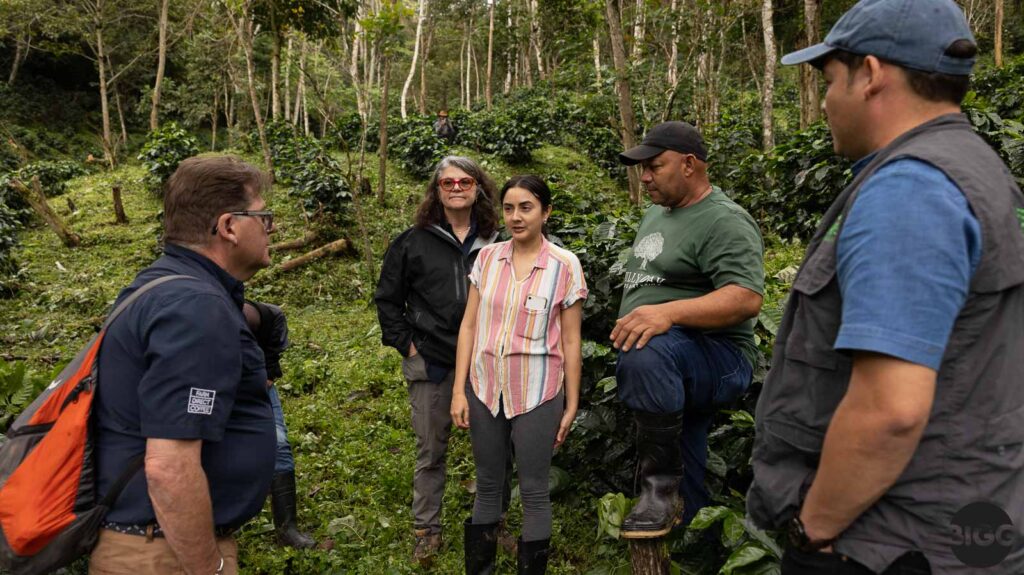
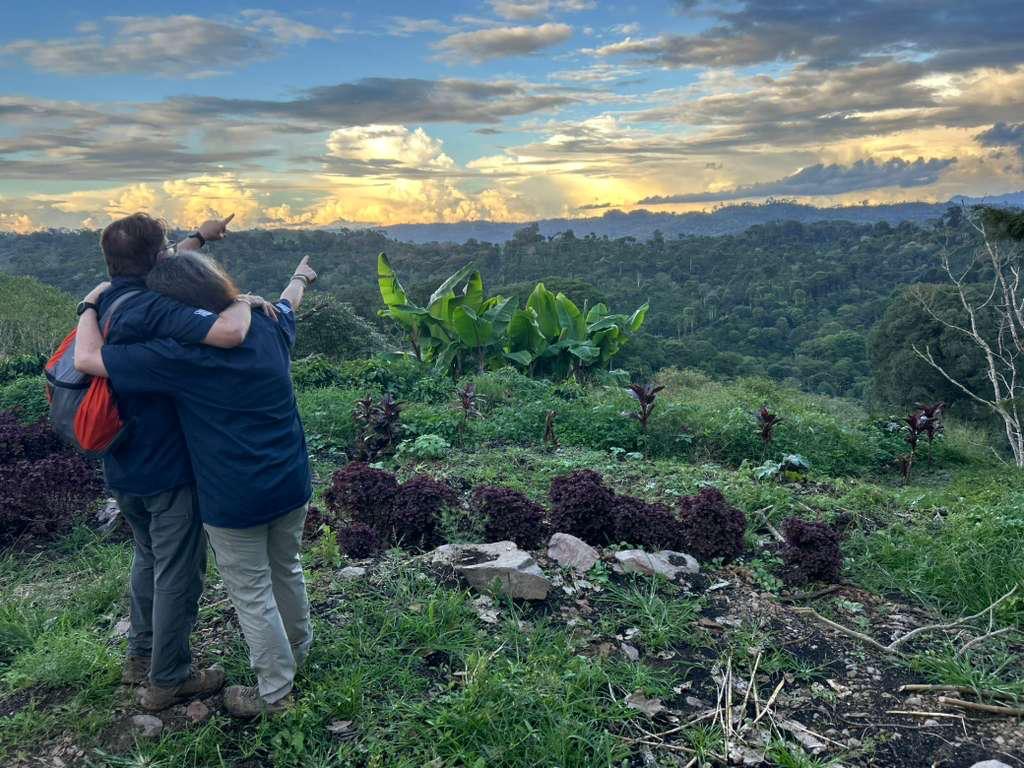
Walking a coffee farm in Olancho, Honduras with members of the Elevar Coop.
The consequences of this chronic underpayment are profound. It has fueled persistent poverty, accelerated environmental degradation, and weakened the social fabric of coffee-growing communities. When farming families cannot earn a sustainable living, the effects extend far beyond the farm.
Label Marketing
Coffee labels such as Fair Trade, Organic, and Rainforest Alliance have only treated the symptoms of this perpetual economic starvation rather than the root cause. Likewise, despite decades of effort, governments, non-governmental organizations, and charitable institutions have made very little progress towards addressing systemic poverty, and the environmental and community degradation that it causes.
We believe that sustainable change requires a sustainable economic model. Capitalism is the most influential institution in the world today, and if meaningful, scalable change is possible, it must come through market-based solutions that create dignity, opportunity, and prosperity—not dependence.
That realization led us to focus on the source of the problem: the price farmers receive for their coffee.
The C-Market
The traditional coffee-buying system is built around the C-Market, a commodity pricing model that often forces producers to sell coffee below their cost of production. In practical terms, this means farmers are effectively paying the market to take their coffee. No business can survive under those conditions indefinitely.
As a result, coffee producers are increasingly abandoning coffee farming in search of better opportunities. This trend threatens the long-term supply of coffee at a time when global demand continues to grow.
Farm-Direct
Our solution addresses this imbalance in two ways.
First, we have adopted a direct-trade approach that we call Farm-Direct. By purchasing coffee directly from producers, we eliminate unnecessary and sometime nefarious intermediaries ensuring that more of the value created in the supply chain reaches the farmer. The efficiencies and savings generated through direct relationships are shared with those who grow the coffee.
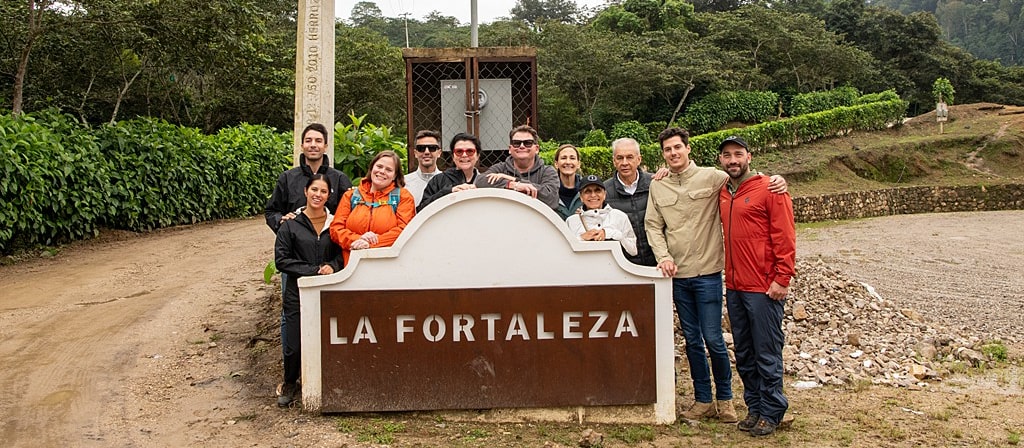
Spending time with our Farm-Direct partners Maria Esther Saut and Pascual Castillo at Finca La Fortaleza, Chiapas, Mexico.
Second, we closely examine what it actually costs to produce coffee on each farm and within each producing region. This allows us to pay a Farm-Gate Price that exceeds the true cost of production and creates a path to profitability. In other words, we believe economic sustainability begins with ensuring that farmers can earn a profit.
Together, Farm-Direct and Farm-Gate Pricing create a model that benefits both people and the planet.
What Success Looks Like
Our experience suggests that when coffee-growing families are given genuine economic opportunities, they make the same choices any of us would make. They invest first in food, housing, clothing, health, and security. Then they invest in education, opportunity, and a better future for the next generation.
These are not luxuries. They are universal human priorities.
When farming becomes economically sustainable, poverty can be reduced, communities can remain intact, and farmers can become stewards of the land for future generations. We have a lot of work to do to prove this out in an academic or scientific way, but we are up to that task, too. The evidence we have witnessed firsthand is compelling.
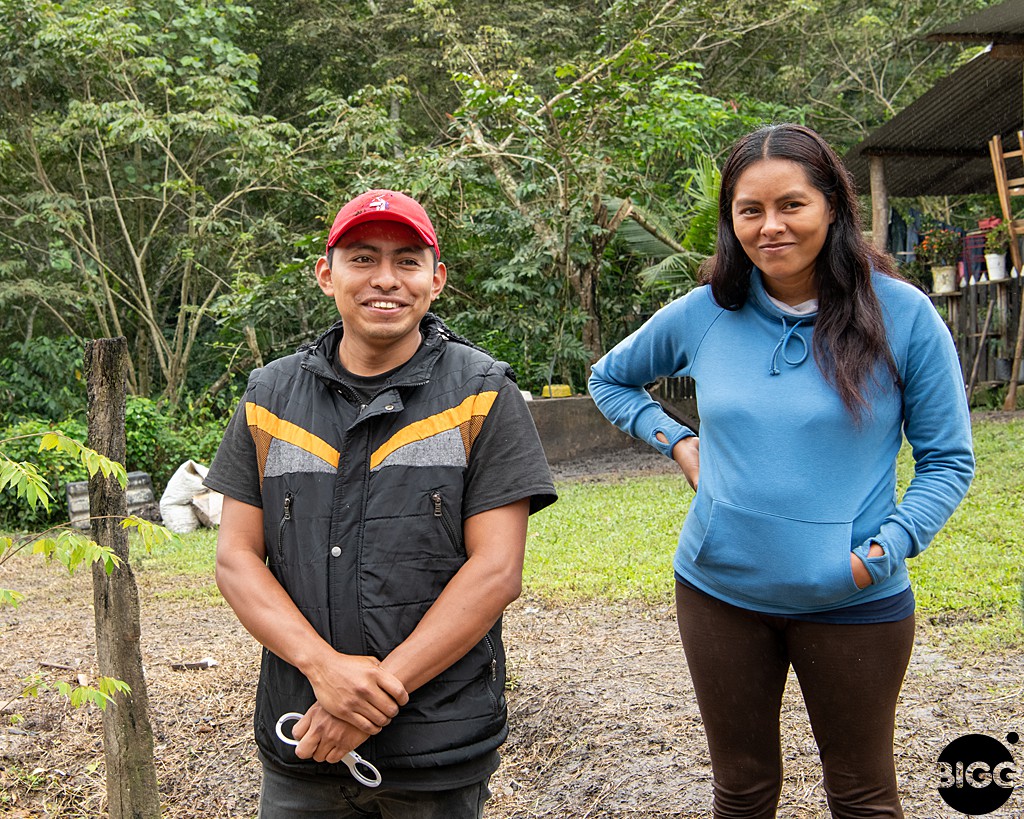
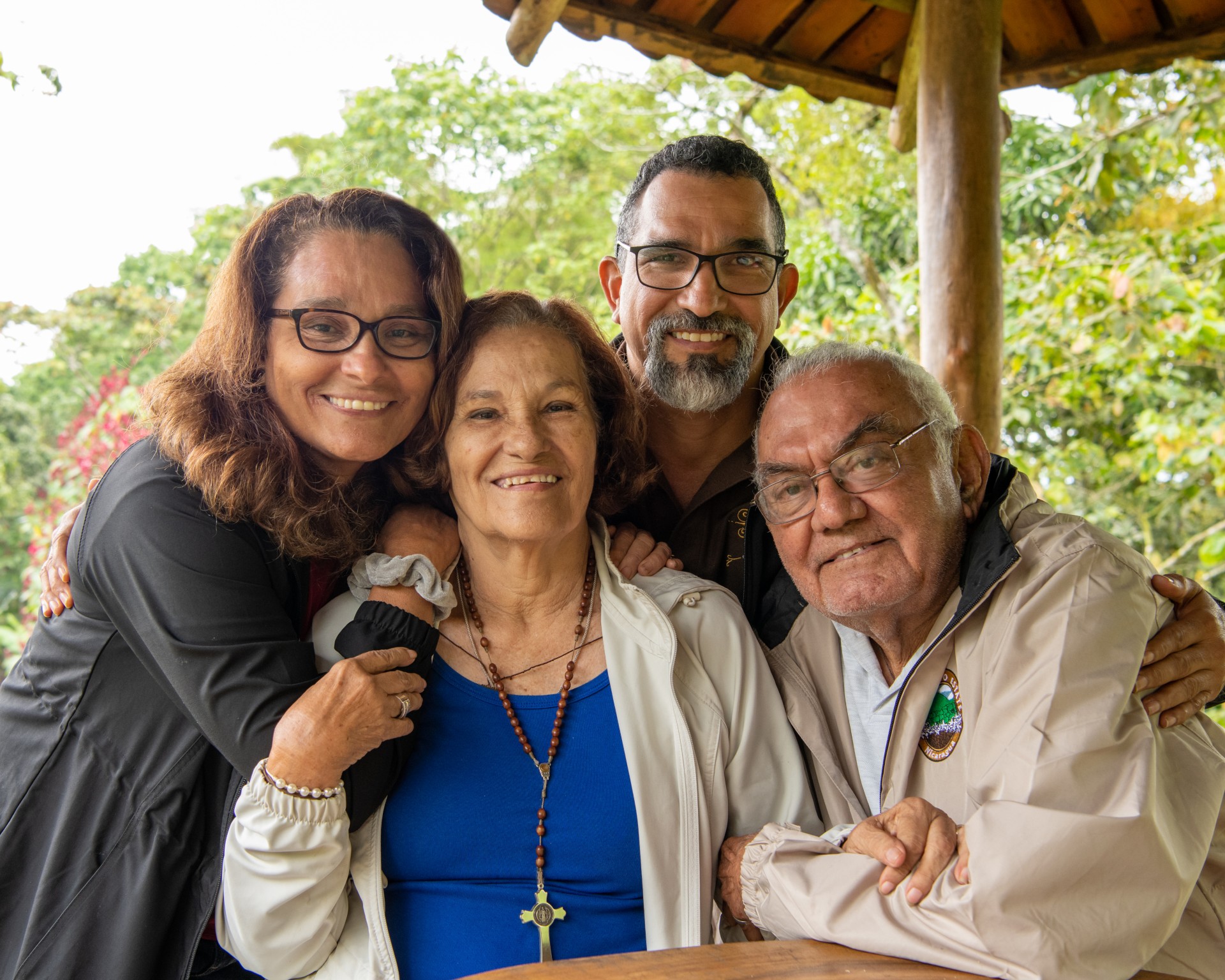
Salomon DeMaza, one of the small producers that is a part of our Farm-Direct partnership in Chiapas, Mexico, with his wife Vivianna.
Supply and Demand
The impact of the current coffee pricing system extends beyond producing countries. Consumers are affected as well.
Since 2018, global coffee supply growth has stagnated due to climate pressures and poor farm economics, while demand continues to increase. Population growth and the rapid adoption of coffee consumption across parts of Asia and the Middle East are adding billions of new consumers to the market. The result is a growing imbalance between supply and demand, leading to increased price volatility, periodic shortages, and rising costs.
The Planet
Environmental consequences are equally significant.
Unsustainable farming practices, including excessive reliance on petrochemical inputs, may increase short-term yields and reduce labor costs, but they often degrade soil health and reduce long-term productivity. Healthy soil supports healthy plants, healthy ecosystems, and ultimately healthy people. When soil is depleted or polluted, the effects ripple throughout the entire food system. And we all know that the chemicals that pollute our soil and our water end up in our bodies, too.
Environmental challenges do not stop at national borders. Deforestation, water pollution, and ecosystem degradation in one part of the world contribute to broader global environmental pressures that affect us all.
Community
There are social consequences as well. When rural coffee communities lose economic viability, people are often forced to leave in search of better opportunities elsewhere. That influx creates apprehension and fear here at home, and an unnecessary tax burden on the consumer to control the border.
In the producing countries, communities fragment, traditions disappear, and social instability can increase. Nations facing widespread poverty and economic hardship are more vulnerable to political unrest, weakened institutions, and disruptions that affect global trade.
In an interconnected world, the stability of producing countries matters. Products such as coffee, cocoa, bananas, and avocados depend on healthy agricultural economies in regions where they can be grown at scale. Strong farming communities create stronger trading partners, more resilient supply chains, and greater long-term security for consumers everywhere.
Conclusion
The coffee supply chain may be complex, but its most important relationship is simple: it begins with the producer and ends with the consumer. Neither can exist without the other.
How we choose to buy coffee influences the lives of farmers, the health of the environment, the resilience of communities, and the future availability of coffee itself.
The choice is not whether our purchasing decisions have an impact. The choice is whether that impact will be positive or negative—for producers, for consumers, and for the One BIGG Island in Space we all live on.