Five Common Misonceptions
About OBIIS Farm-Direct
By Bob Fish
To the uninitiated, buying exportable green coffee from multiple coffee producing countries all over the world, each with their own language, regulations, currency, and logistical hurdles, might be seen as cloudy and complicated.
There are parts of the coffee industry and supply chain that would like you to continue to believe this. It protects a narrative and a way of life from which they have prospered.
Unfortunately, that has been at the sole expense of the coffee farmers, the very people we need to continue to enjoy this magical elixir every day. This has created a crisis in coffee where the demand for coffee is higher than the supply.
OBIIS Farm-Direct provides a long-term solution to this crisis.
These are the five misconceptions that people have propagated to resist the change.
1. OBIIS Farm-Direct is a form of charity or philanthropy.
OBIIS Farm-Direct is a for-profit model operated by committed, full-throated capitalists. Capitalists invest money, property, or other assets in business ventures to earn a return. Charity, by contrast, involves voluntarily giving time or money without expecting repayment. OBIIS Farm-Direct gives nothing away and pays only for the goods and services it receives.
Green coffee is typically purchased through one of two ways: the broker model, or direct trade. Direct trade involves buying from farmers, while the broker model relies on a series of intermediaries several steps removed from them. OBIIS Farm-Direct uses direct trade to provide greater price transparency and stability, traceability, and product integrity. Although brokers may offer convenience, modern communication and information tools have made this model largely unnecessary. It also limits visibility and traceability and creates greater opportunities for nefarious trading practices.
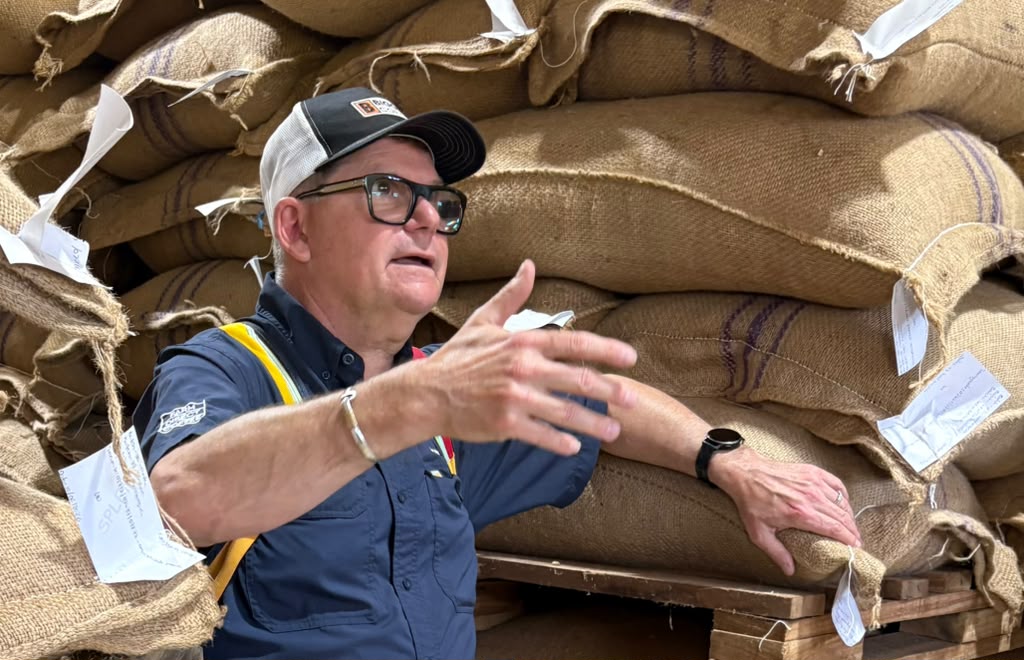
From the outside, OBIIS Farm-Direct may appear to be chairty because of the focus and attention we give to the individual farmers we work with. We do this to recognize them as people and highlight the chronic underpayment they have experienced for decades under the broker model. By sharing the OBIIS Farm-Direct model’s positive impact at the farm level, we hope to engage a new generation of consumers. An informed marketplace can help transform the coffee industry while reducing poverty, protecting the environment, and strengthening communities.
To some people, the language we use may make us sound like a charitable organization because of our focus on the resulting positive impact. The clear difference, however, is that we generate a profit from our efforts.
The primary change we have made is who we pay for our coffee. We pay the farmer, not the traditional coffee broker, creating a win, win, win for everyone in the value chain. First, the farmer receives a fair price. With that fair price comes a reduction in poverty. That, in turn, allows them to take better care of the environment and support their communities.
At the same time, the retailer and consumer receive the coffee at a fair price. And they get to know where their coffee comes from, who grew it, and that it was verifiably done in a way that did not damage people, the planet, or communities. This is a win for people in coffee-growing communities, a win for the planet, and a win for the consumer. It almost sounds like charity, but it is not.
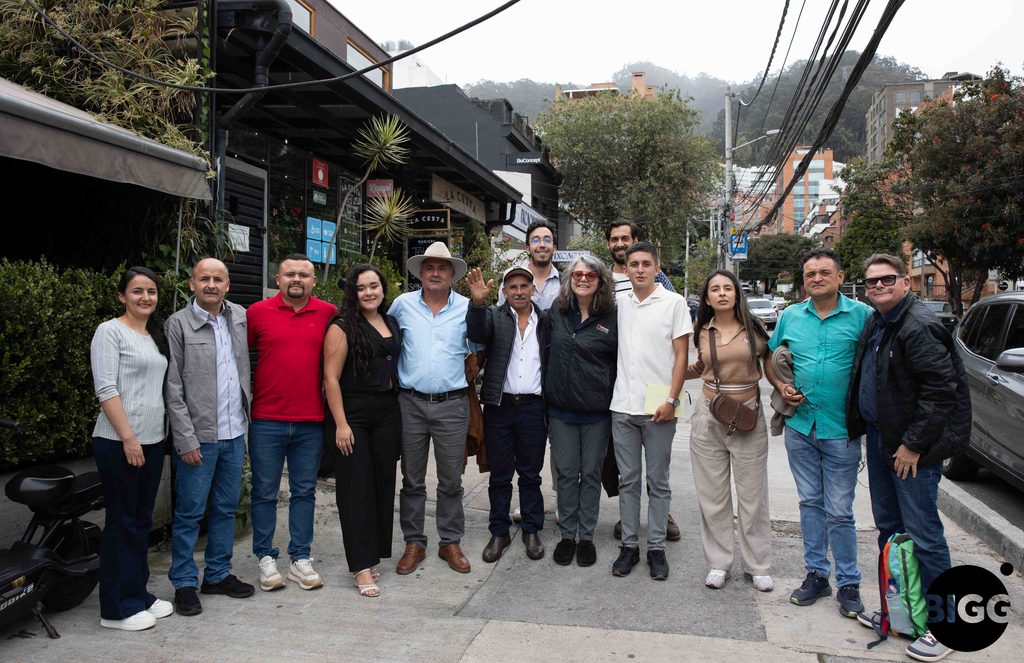
The OBIIS Team with the community of Icononzo, and our supply chain partners from Caravella, in Bogota, Colombia, July 2026.
A true capital model solves a problem in a distinctive way, turns that advantage into marketplace value, and generates a profit. Addressing social and environmental challenges simply by changing whom we buy coffee from may seem too simple—or even obvious—but the best ideas often are. Despite entrenched interests and outdated narratives that favor brokers, the broker model is no longer necessary or beneficial. OBIIS Farm-Direct is a better way.
2. OBIIS Farm-Direct coffee costs more.
Farm-Direct coffee costs no more than responsibly sourced coffee of the same grade, type, process, volume, and country of origin—even though the farmer is paid more. That may be confusing, but remember, OBIIS Farm-Direct distinguishes who an end user like BIGGBY COFFEE pays for the coffee. In our case it is the farmer rather than a broker. Eliminating an intermediary that adds cost without adding value allows more of the purchase price to reach the farmer without increasing the buyer’s cost.
The other advantage in paying the farmer directly is better transparency, traceability, and product integrity. When coffee is purchased from a broker, there is no clear insight into where the coffee came from, who it came from, how it was produced, and whether it is safe.
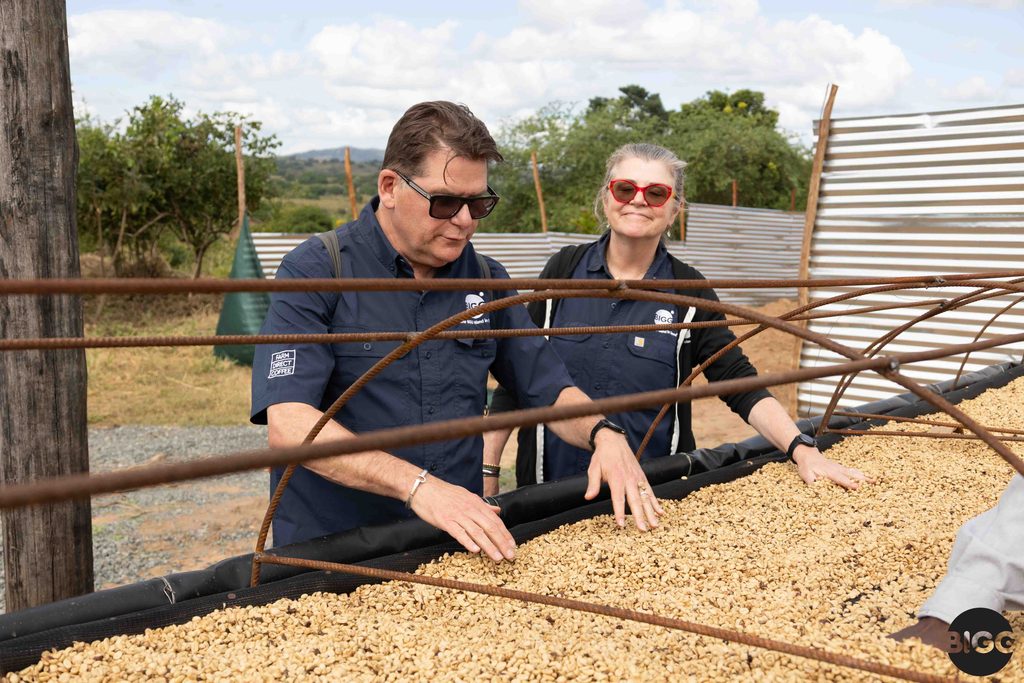
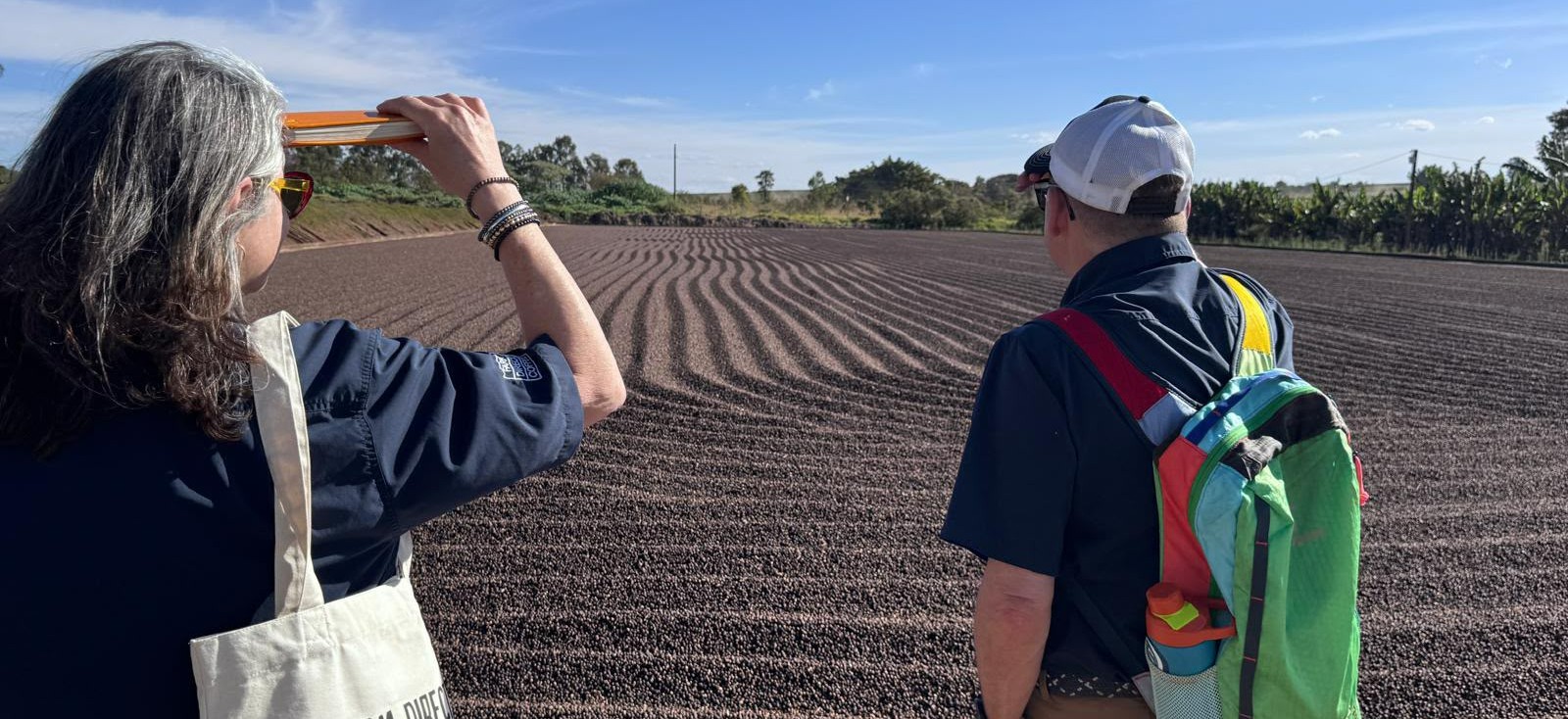
At the drying beds at the Gorongosa Coffee Projecct in Mozambique.
Brokers can – and often do — hide a lot from a buyer, including and most especially the price they pay the farmer. Historically, over the last many decades, the farmer has been underpaid. And not just underpaid, but paid less than their cost of production. That is obviously not sustainable. The OBIIS Farm-Direct model simply eliminates the broker and takes that inevitable savings to help pay the coffee farmer a fair price.
Quality
What that still leaves is an examination of qualitative equivalents. In other words, we cannot compare what we pay to a cost based on the C-market commercial commodity price. That coffee that is used for bulk blending and instant coffee, and it will make your nervous system shudder if you take a sip. Simply put, it’s not very good. And it is not comparable to the specialty coffee grades used in a chain like BIGGBY COFFEE.
Coffee gets graded for taste quality using a Q-Grade system. Commercial coffee scores 79 and below, on a scale of 100. Specialty coffee ranges between 80 and 100. A coffee chain like BIGGBY COFFEE uses coffee that is specialty, but at the more reasonably priced lower end between 80 and 85. Generally, we describe it as a good clean cup. Like all products, as the quality goes up, so does the price. But there is nothing paid more by OBIIS Farm-Direct for equivalent quality.
Volume
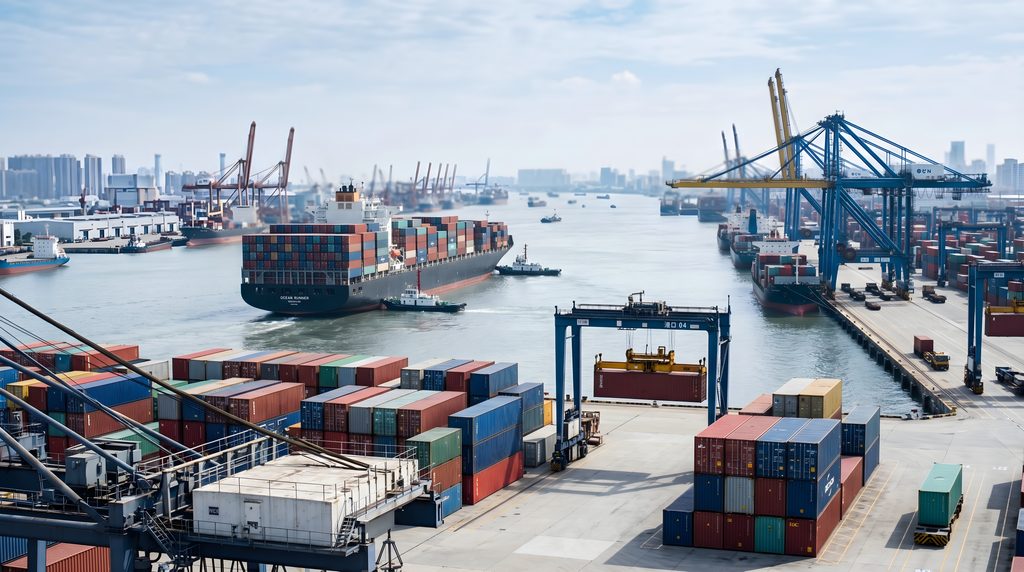
Volume, too, impacts the cost. The higher the volume of coffee purchased, the more it can be discounted. The savings are achieved through efficiency in transportation. Most coffee is transported by boat in a sea-container. Practically, if you can fill an entire container, it is cheaper than if the shipping company has to consolidate with partial loads. OBIIS Farm-Direct is efficient and only buys by the full container, which allows our price to be more competitive
Arabica vs Robusta
The type of coffee plays a role in the cost as well. Arabica and robusta are the two major types of coffee bought and sold in the international marketplace. Arabica is the dominant species in the realm of specialty coffee.
Robusta, with minor exceptions, is considered lower quality with a higher acidity and higher caffeine content, and is generally not suitable for Specialty Coffee. Robusta is often used for filler, blending, and instant coffee, much like the commercial grades of arabica.
Robusta is common in Vietnam where they have made an art of using the Phin (an extraction method) to make Vietnamese iced coffee. Sweetened condensed milk is used as an ingredient to combat the harsh and often bitter profile. It makes for a tasty treat, especially when visiting Vietnam.
Because of its lower quality and other characteristics, Robusta is most often sold at a lower price than arabica on the international marketplace.
Despite the low-quality perception, robusta is sometimes used in espresso blends by Italian roasters to intentionally boost acidity, and create a more robust crema. OBIIS Farm-Direct does not use robusta today. But it is not out of the realm of possibility in the future to enhance espresso blends, and to help manage cost of goods sold at the retail level.
Processing
Once coffee is picked, there are three major ways to process coffee at origin. These distinct processing techniques are called natural, honey, and washed.
Like many fruits, a coffee cherry contains skin, pulp, and seeds—typically two per cherry. Proper processing reduces the coffee’s moisture content to about 10%, plus or minus 1%, making it stable for shipment.
In the natural process, the entire cherry is dried. The honey process removes the skin and most of the pulp, leaving some mucilage on the seeds as they dry. The washed process removes the skin, pulp, and mucilage before drying the seeds.
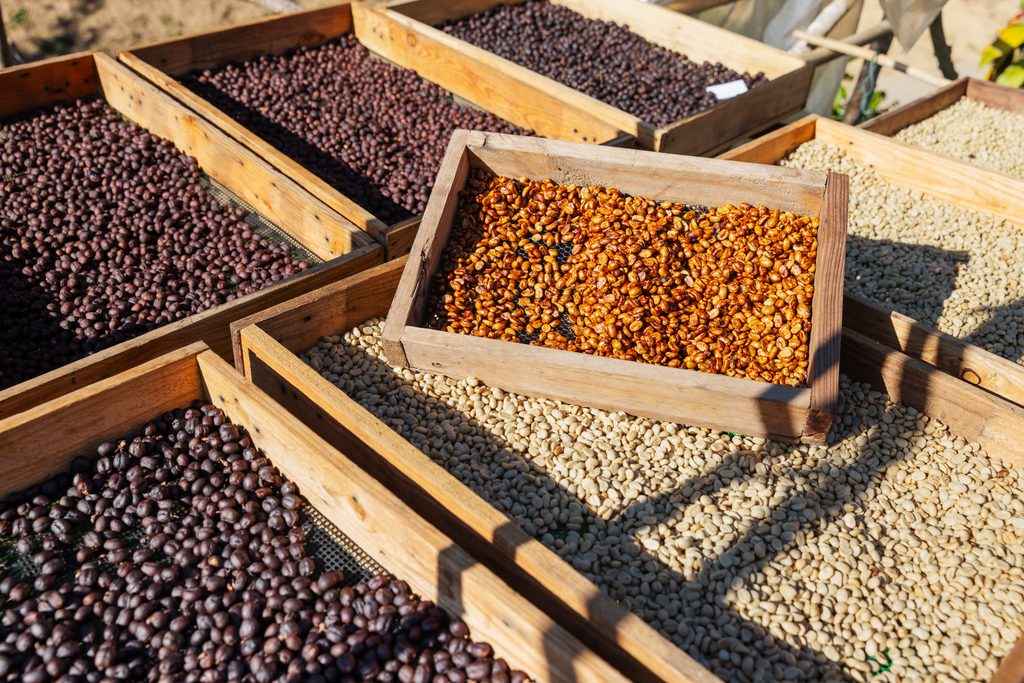
Three types of processing: Naturals (left, the darker bean), Honey (center, golden colored in the try), and Washed (right, the lightest color)
Each method produces distinct flavors, and the choice often depends on water availability, consumer demand, and farmer preference.
Also, each method has different costs, levels of consumer demand, and flavor characteristics, so prices should be compared only within the same method. Washed coffees generally produce a clean cup. Honey-processed coffees tend to be sweet. And natural coffees are often fruity. Roasters combine these profiles to balance a cup or blend. Although the methods can have different effects on the environment, those impacts can generally be mitigated. OBIIS Farm-Direct does not favor one method over another, provided the coffee meets its quality standards.
Country Differentials
The country in which it is grown has a significant impact on the price of coffee. There are over 50 major coffee producing countries in the world, in a band around the equator comprised of Central America, South America, Africa, and Southeast Asia. Each has its own economics for producing coffee. And the shipping costs to get coffee from each country can vary widely.
The cost of coffee is also influenced by each government’s taxes, coffee processing infrastructure, cost of living, total available supply relative to the global supply, roadway infrastructure, method of farming, type of coffee grown, and finally (and somewhat randomly) consumer perception and demand.
The price differences between countries are referred to as ‘differentials’ to the C-market price. These differentials can be positive or negative and shift regularly in any given year or season. The point however is that when comparing costs of various origins of coffee, it cannot be done in a vacuum. The commodity pricing model of the C-market is not enough.
OBIIS Farm-Direct is sensitive to the variations of price per country, and the economic impact and carbon footprint of shipping from long distances. We are interested in the widest possible retail audience for our coffee. Sometimes that might mean that we exclude the most expensive countries or origins from our portfolio. We are happy to leave that work to others, and stick to the idea of good coffee, doing good.
A Wake of Destruction
Responsible coffee sourcing requires knowing where the coffee comes from and how it was produced. For OBIIS Farm-Direct, it means that we are committed to not leaving a wake of destruction behind us as we purchase coffee.
We work with coffee farmers that are treating their people right, the planet right, and investing in their communities. We have been to over 250 coffee farms, in 17 countries, in eight years, and we have seen firsthand the difference responsible sourcing can make.
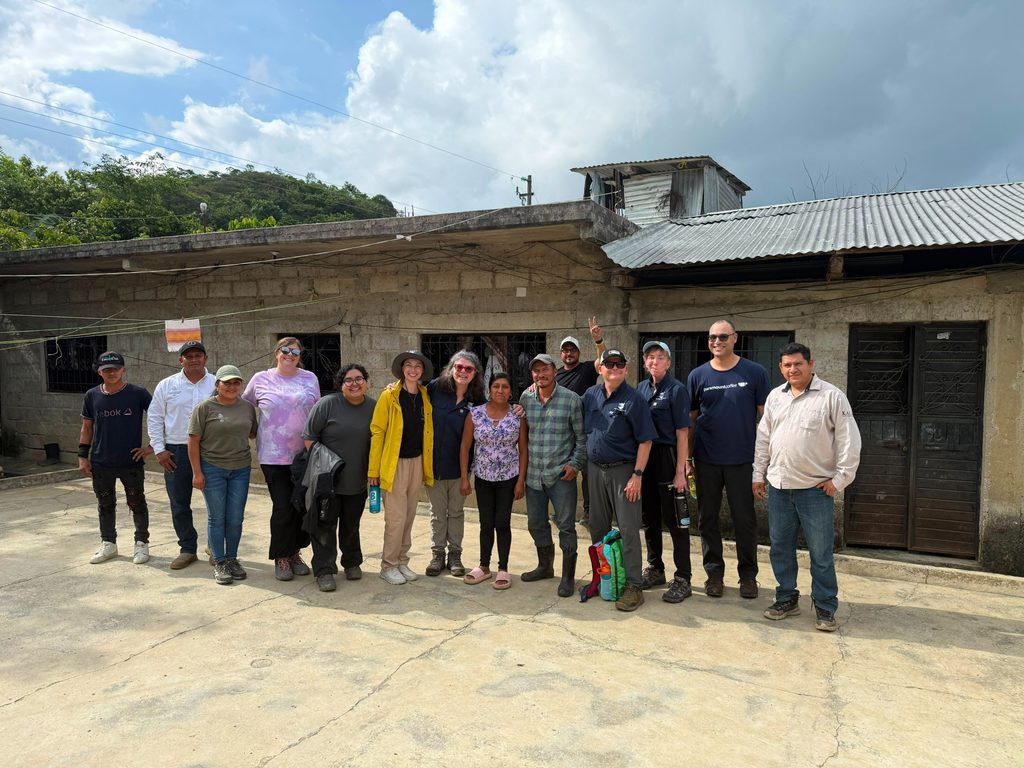
The OBIIS and BIGGBY COFFEE team visiting Miguel Angel Cruz, our partner since 2022, in Chiapas, Mexico.
Through no fault of their own, most consumers drink coffee that is not responsibly sourced. It does, in fact, leave a wake of destruction, including rampant and extreme poverty, environmental degradation, and breaking up of communities.
Another way to say that is that they are drinking the tears of children with a little herbicide in every sip. Gross, right? You may not agree, but we are simply not willing to knowingly participate in that behavior as others knowingly do.
Label Marketing AKA Fair Trade USA, USDA Organic, etc. etc.
As discussed before, organizations like Fair Trade and USDA Organic do not mitigate poverty or keep coffee chemical free.
They do, however, charge you more, as a consumer, for that illusion. And the farmer, who can least afford it, pays for the additional costs to provide that theoretical level of accountability, transparency, and traceability.
Unfortunately, these organizations are operating what we call a ‘CYA” (cover your a$$) model, not one that is designed to really effect change.
Hopefully, we can agree that accountability, traceability, and transparency are important in serving responsibly sourced coffee. OBIIS Farm-Direct coffee does this by engaging, visiting, verifying, and paying a farmer directly. No use of lying, deceptive, misleading or ineffective intermediaries.
Does that come at a cost? Yes. But not more than the premium charged by others for the same intention – an intention that, in their world of label marketing, is knowingly never realized.
So, we finish this conversation where we started, asking the question does OBIIS Farm-Direct coffee cost more?
The answer will always be emphatically NO. OBIIS Farm-Direct does not cost more than any other responsible coffee purchased of the same grade, the same type, the same process, in the same volume, from the same country.
3. OBIIS Farm-Direct is just environmental and humanitarian do-goodery.
“Do-goodery” is often defined as a well-intentioned but naïve, impractical, or ineffective effort to help others. OBIIS Farm-Direct is none of those things.
BIGGBY COFFEE’s goal of becoming 100% Farm-Direct by 2028 is designed to secure a reliable coffee supply at stable prices. It also serves as a case study for the broader transformation needed across the coffee industry. The ambition may be bold, but it is neither naïve nor impractical.
Like many emerging business models, OBIIS Farm-Direct has the characteristics of an entrepreneurial startup. Disruptive entrepreneurs challenge established assumptions and find opportunities by viewing familiar information differently.
Meaningful change often faces resistance from established interests and may initially be misunderstood—even by those it is intended to benefit. That resistance does not make the model ineffective; it reflects the difficulty of transforming a long-standing system.
At its surface, it may appear that OBIIS Farm-Direct is trying to save coffee farmers from chronic poverty, save the environment from further degradation, and support coffee growing communities. And although all these are the probable outcomes of applying the OBIIS Farm-Direct buying model, the actual objective was to preserve the supply of coffee at stable prices for both the retailer and consumer alike.
The Supply Challenge
Coffee supply is increasingly at risk. Demand continues to grow, while supply has stagnated because farmers have been paid below their production costs for decades. Unable to support their families, many farmers around the world have left coffee farming.
By 2018, this supply stagnation had become a serious concern. As global coffee reserves declined in subsequent years, prices rose sharply and became increasingly volatile. The industry had lost much of its supply resilience, creating a clear economic and supply-chain challenge: how could we secure coffee reliably while maintaining stable prices?
The OBIIS Farm-Direct Solution
The answer was to replace the broker model with direct trade through OBIIS Farm-Direct. By building direct relationships with farmers and paying them rather than intermediaries, we could:
- Pay farmers more without increasing the cost of imported coffee.
- Strengthen the reliability of our coffee supply.
- Stabilize prices over 12-month periods.
The Power of Relationships
But a funny thing happened along the way. Because of our very personal relationships with farmers, we learned more about the economics of farming coffee, the challenges of farming coffee, and the positive impact of paying a fair price. This allowed us to modify the model to amplify the results.
We learned firsthand that when a producer received a fair price for their coffee, they had the ability to pay people better, to farm in a manner that preserved the soil, land, and water for future use, and fulfill their dreams of a better and stronger community. In other words, they could finally farm and run a farm business as they always wanted but couldn’t because of chronic underpayment.
The Farm-Gate Model
We worked closely with each farm partner to understand their production costs. Because long-term economic sustainability depends on farmers earning more than they spend to produce coffee, both parties needed a clear and accurate view of those costs. This led to our Farm-Gate pricing model.
We also analyzed origin-country supply-chain expenses, including transportation, milling, sorting, and export. From that work, we established a standard requiring farmers to receive at least 80% of the FOB price—the value of the coffee when it is loaded onto a boat for export. Historically, farmers received only 20% to 50%, with intermediaries capturing much of the difference and contributing to chronic underpayment. As OBIIS Farm-Direct evolved, it became a new economic model designed to create lasting prosperity for our farm partners.
Win-Win-Win
In the end, there actually might be much ‘do-goodery’ being done, but it is simply an outcome of a new economic model. If we agree that chronic underpayment causes symptoms such as poverty, degradation of the environment, and the breaking up of communities, then we can also agree that it can work the other way around. The result of reliable and prosperous payments made directly to farmers can lead to positive outcomes for people, planet and communities.
In the coming years the idea of resilience and robustness will become the new definition of efficiency for coffee supply chains. OBIIS Farm-Direct is building that resilience. Having coffee producing partners that are economically and environmentally resilient, too, might sound like humanitarian and environmental do-goodery. But it is not that. Nor is it naïve, impractical, or ineffectual. It is just good business, doing good.
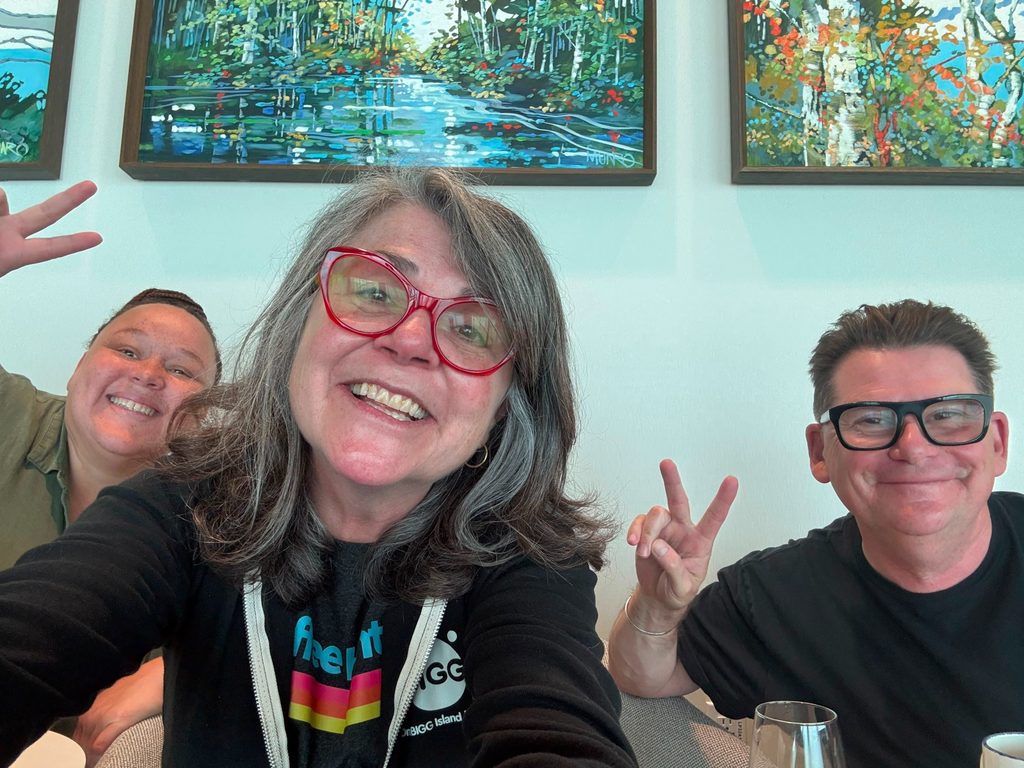
Team OBIIS on the road
4. Farm-Direct Coffee takes too much work.
Some may describe OBIIS Farm-Direct as being too complicated or labor-intensive. That is the language of those that are trying to protect the ways of the past, or simply do not understand because of their own laziness or fear.
It is true that transforming a system that sells 50 million cups of coffee annually from a broker model to direct trade does require significant time, energy, and resources. Finding farm partners around the world who are willing to collaborate, learn, share, and grow takes years—especially at our scale.
Like any new business, the model demands more effort to build than it will require to operate once established.
Every growing business faces a learning curve. Complexity is not a reason to resist change; it is part of creating something better.
The world continues to evolve, and long-term success depends on our ability to adapt, learn, and improve. OBIIS Farm-Direct has the energy and commitment to create the change BIGGBY COFFEE—and the broader coffee industry—needs.
5. Farm-Direct Coffee is too difficult to explain to others.
OBIIS Farm-Direct is a very simple concept:
We pay coffee farmers directly for their coffee and do not rely on questionable middleman or ineffective certifiers. We do this to ensure a fair price for the farmer and to protect their future viability. As a benefit we have full transparency and traceability on all the coffee we purchase, and know that it is safe, and has not left a trail of environmental or human destruction behind it.
That took 25 seconds to say, and it could save the future of coffee.