Boots on the Ground: Diary of a trip
Brazil 2026
Nathan Havey & Janeé Hartman
Fazenda Ambiental Fortaleza
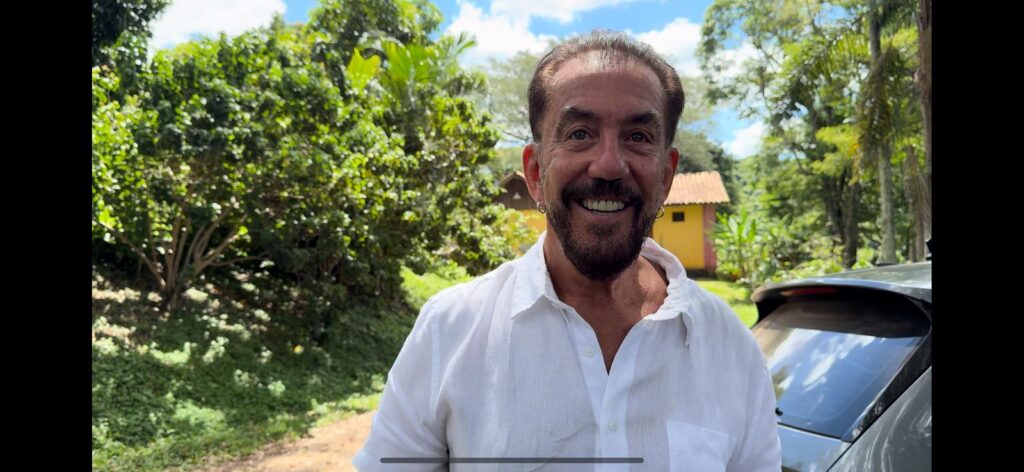
Meet Marco Croce, the patriarch of the amazing family behind Fazenda Ambiental Fortaleza (environmental fortress farm), or FAF as it is known locally.
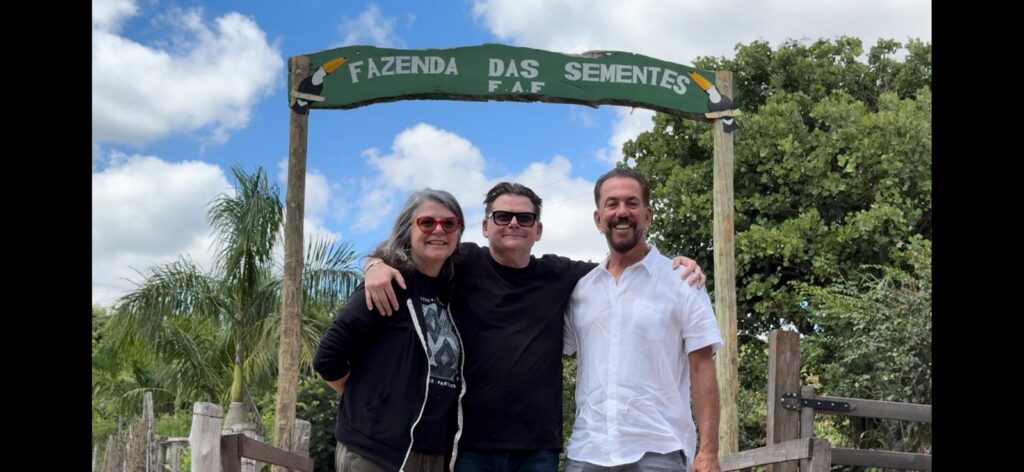
The OBIIS team flew to São Paulo and met up with Marcos, who drove us the three hours it takes to get to the 2000-acre coffee farm his family inherited in 2002.
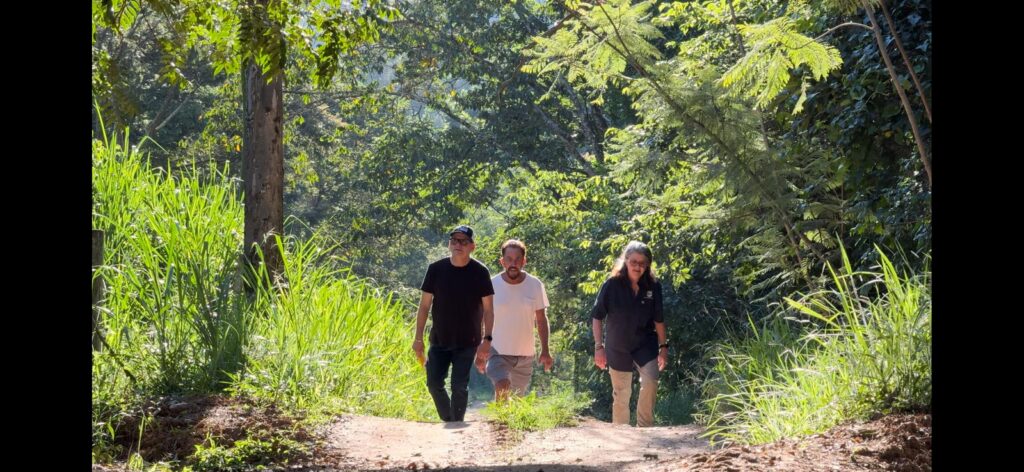
Once we dropped our bags in our rooms, we set out with Marcos on a 40-minute walk through the property to see something truly special.
As we walked, we heard some of the story of the transformation of a “degenerative” coffee farm that had turned its soil into dirt, requiring evermore chemical inputs to keep up yields.
Marcos and his family decided to get out of a downward spiral and start over at FAF.
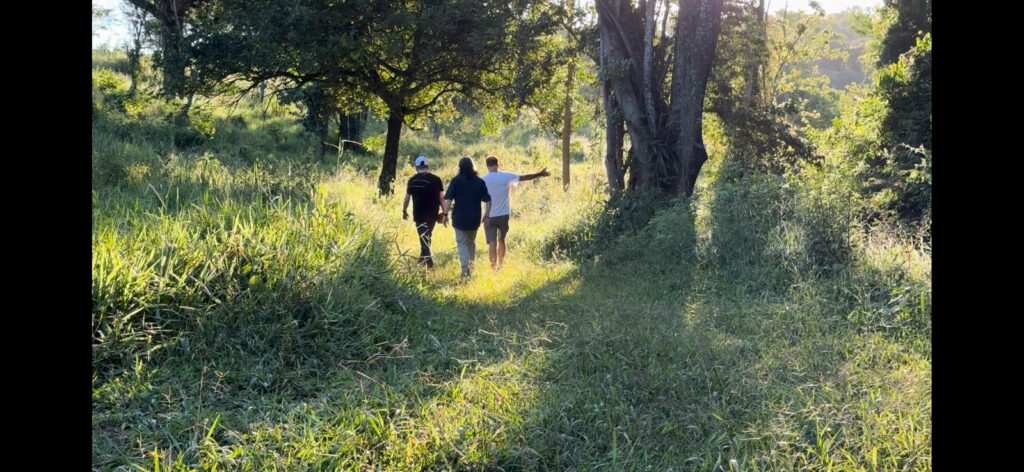
They replanted native forest on about half of the 2,000 acres. They ripped out most of the rest of the coffee to make room for some sugarcane, avocados, soy, cows, and some other food crops.
They committed to a chemical-free philosophy, but soil does not heal overnight, and the yields of the remaining coffee dropped 80% or more.
Over the next 10 years, the family learned everything they could about the farm. They mapped where the springs came from. They observed nature to see what crops thrived naturally in different parts of the farm, and they created ingenious methods of managing pests through natural processes rather than poisonous chemicals.
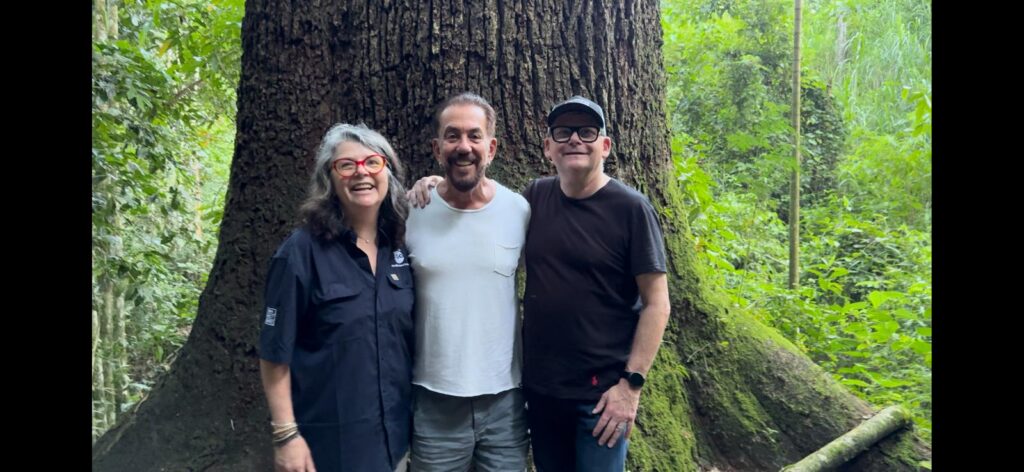
Soon, we reached our destination: a tree that is estimated to be more than 1,000 years old. It was in a dense, jungle-like grove and it towered so tall that we could not see the top as we were standing around the base of its trunk. It was so big that eight people had to link arms around it to circle it.
As we stood there, we thought of time in a different way. This tree was a sapling in 1026. To grow another one, you’d have to wait until 3036. It isn’t often that you come into contact with something like this.
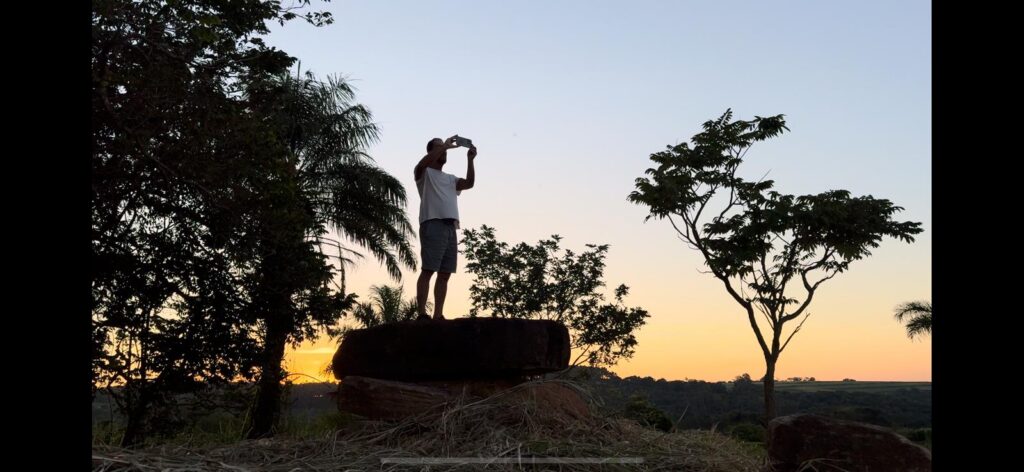
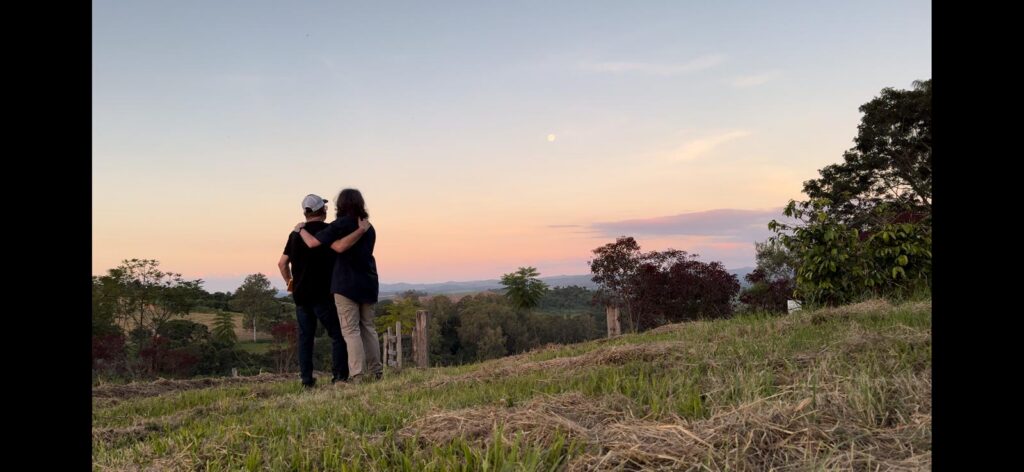
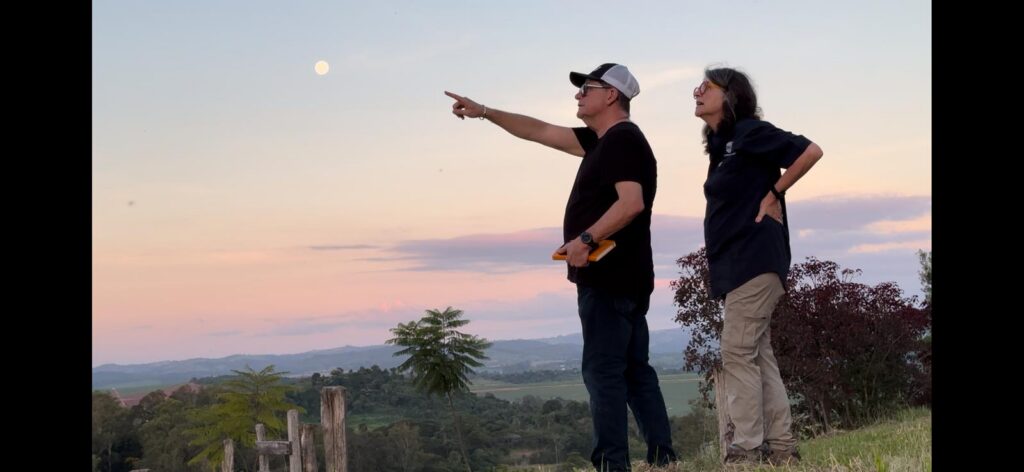
On the walk back, Marcos took us to one of several lookouts that he had built on the property. The sun was just dipping below the ridge to the west, and we could see much of the farm.
We first heard about FAF more than a year ago and have been very eager to come and see what these folks are up to. We’ll be here for 2.5 days, getting to know the family and meeting some of their neighbors who have begun to follow their example.
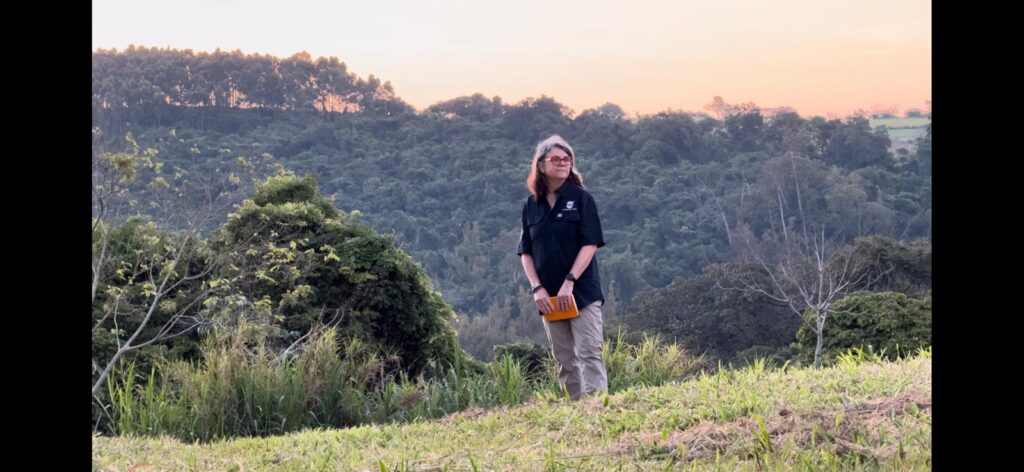
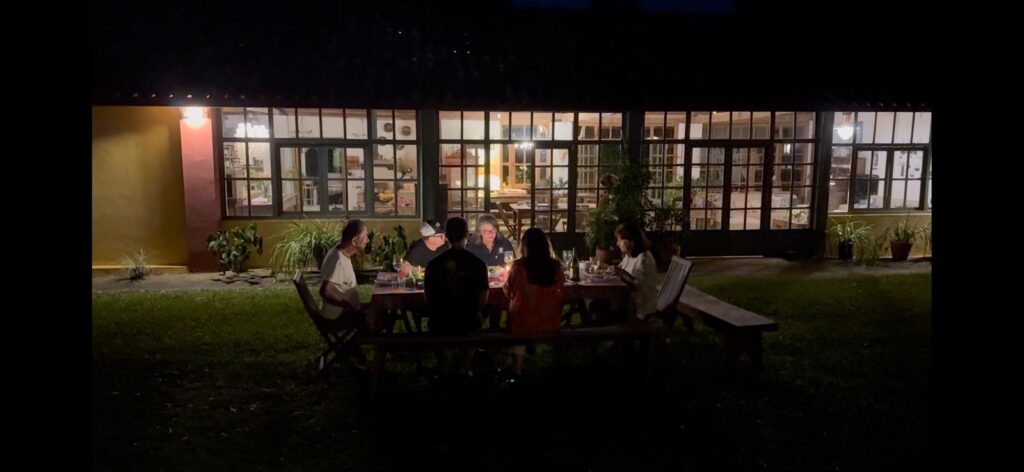
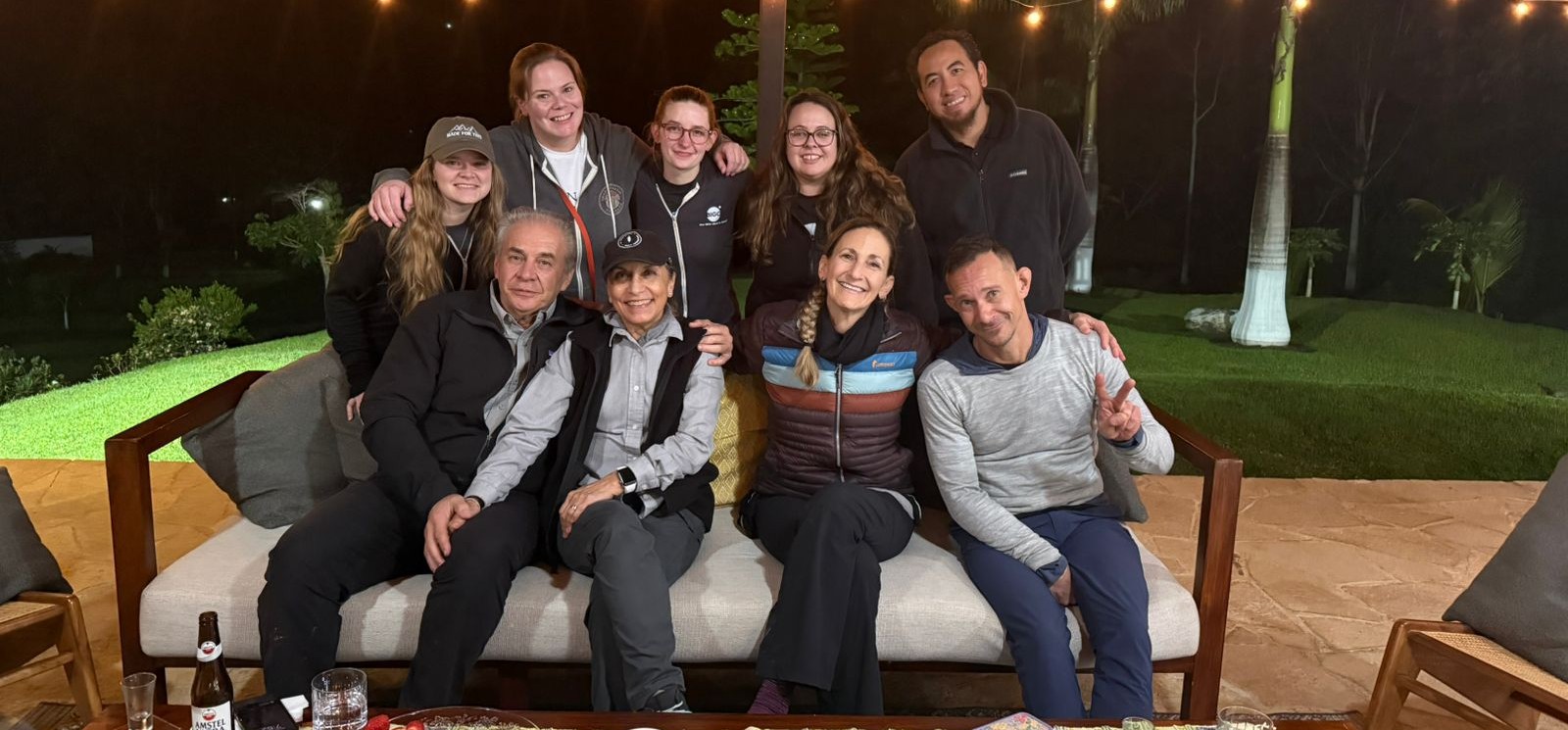
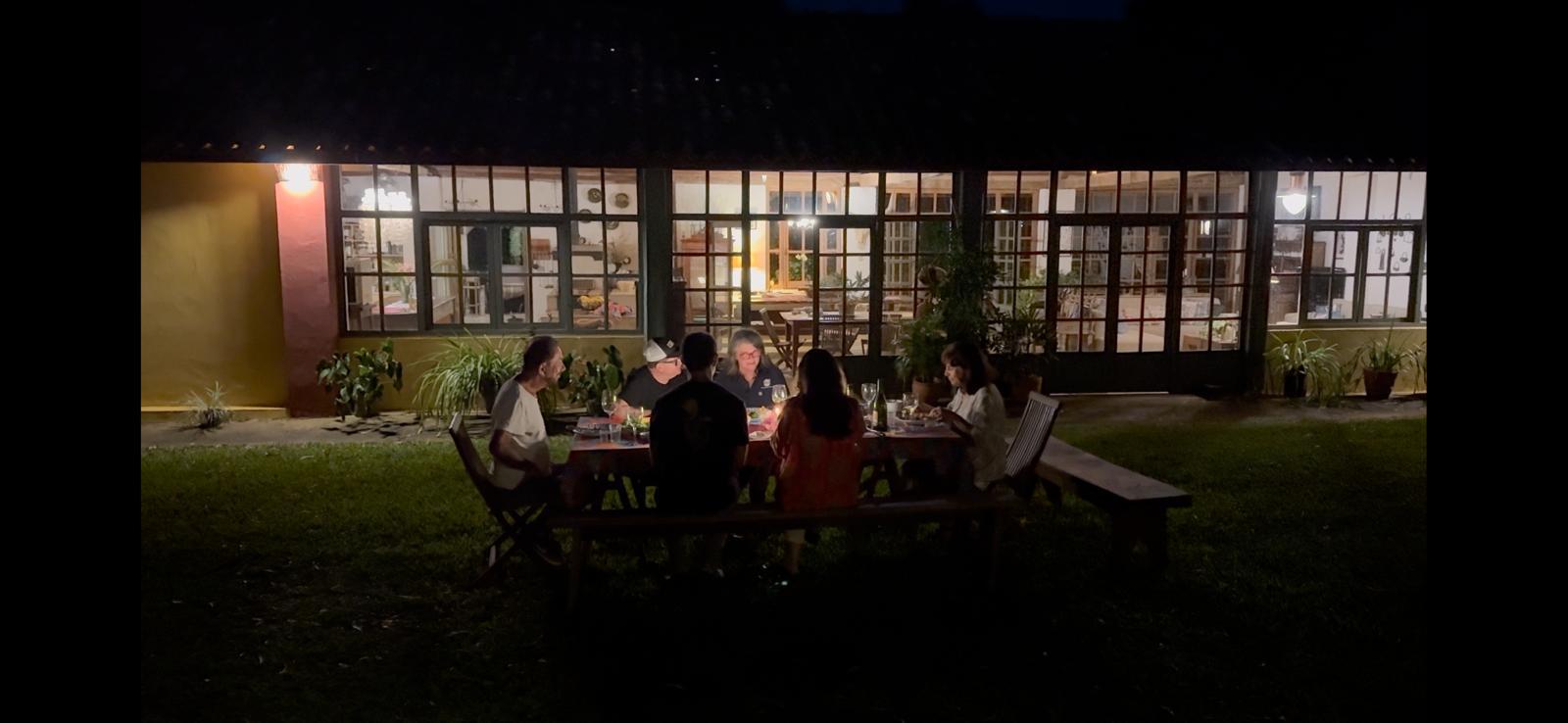
We got back to the house just after dark had fallen and found a delicious dinner made mostly from ingredients that came right from the farm. We met Marcos’ former partner Silvia (they separated last year, but still work together), whose father had left her the farm. And we met their son, Filipe, and his wife, Julia, who opened a bottle of sparkling wine that was left over from their wedding.
We all ate at a table that had been set outside and began to get to know each other.
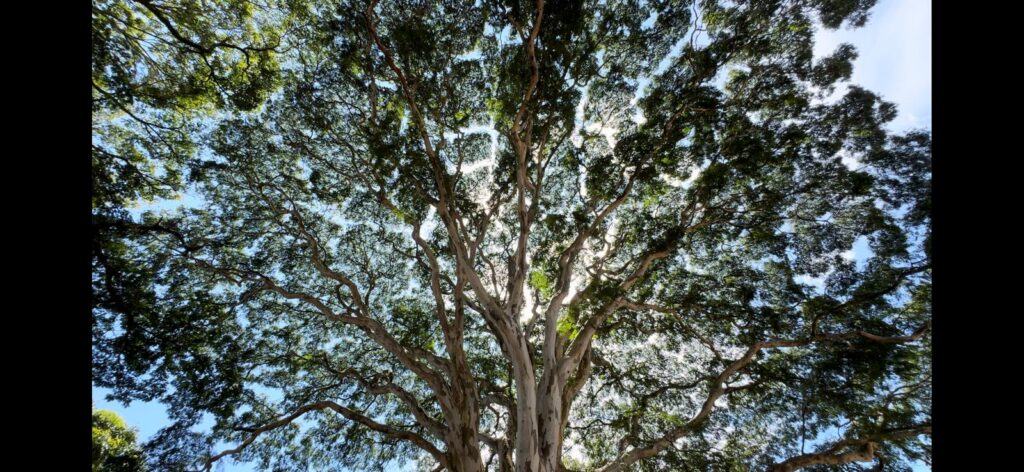
The next morning, the OBIIS team woke up and walked beneath the beautiful trees of FAF to enjoy a breakfast made from food grown on the farm.
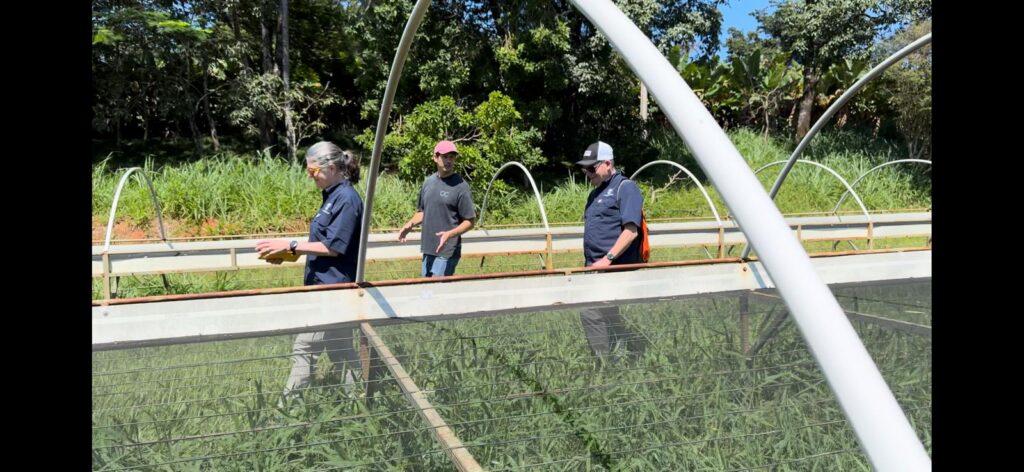
Filipe Croce took us on a walking tour through the farm, which is more than 100 years old. He told us their amazing story of converting a “degenerative” farm to a regenerative agroforestry hub in Brazil.
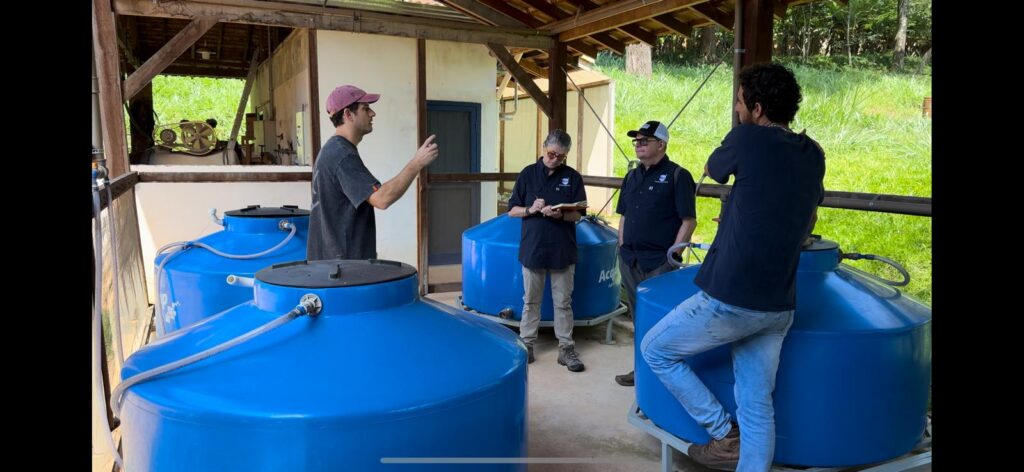
A major highlight was a biofactory FAF has been refining over the years. In these tanks, they are cultivating bacteria they source from the surrounding forest. They use these bacteria as a kind of immune system for their coffee, even training it to feed on diseases that usually require chemical treatments. In this way, they have been able to manage challenges like leaf rust (roya) without using harmful chemicals.
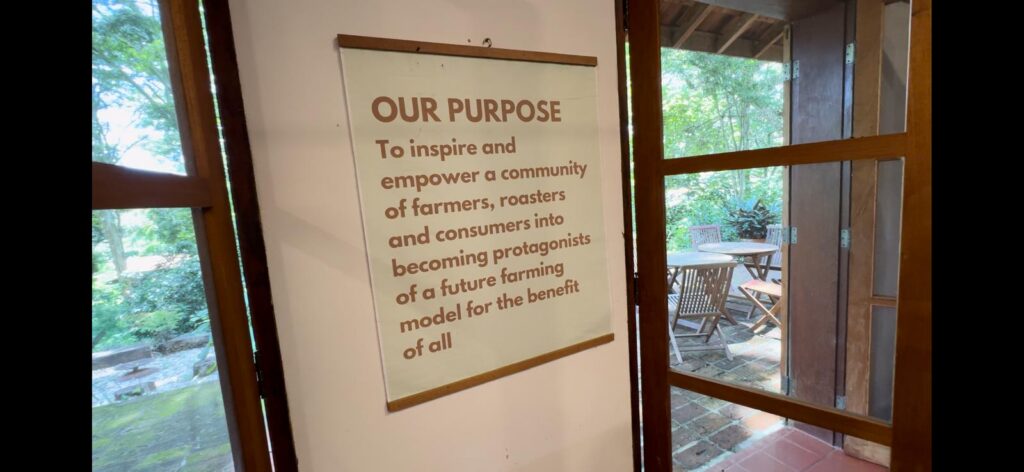
Another highlight is their purpose. It kind of speaks for itself.
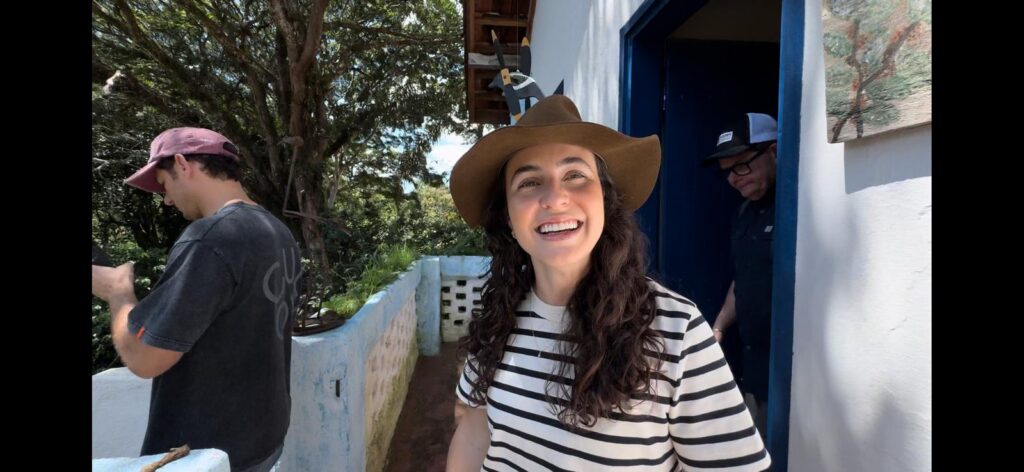
Julia Croce
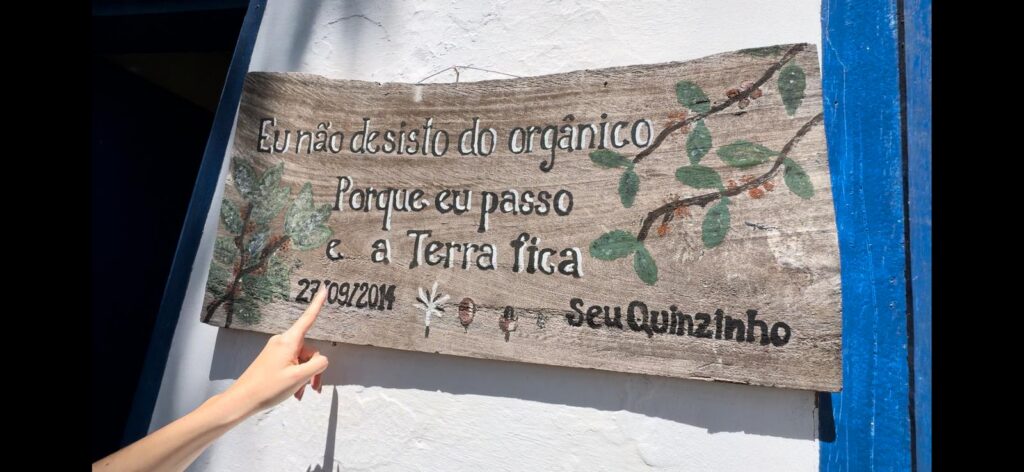
As we were leaving the office where most of the team works, Felipe’s wife, Julia, pointed out a sign hanging outside the door. It roughly translates to “We commit to the destination of organic, because we pass, but the land remains.”
Fazenda Liberdade
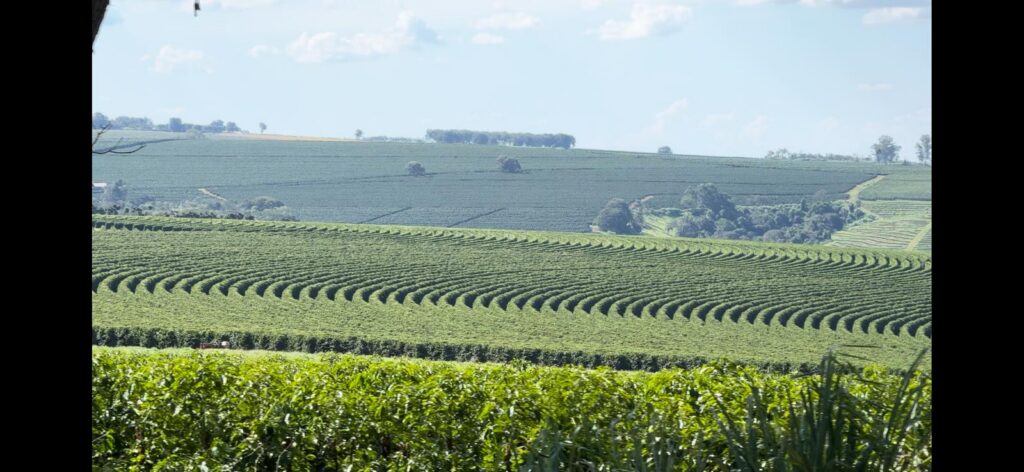
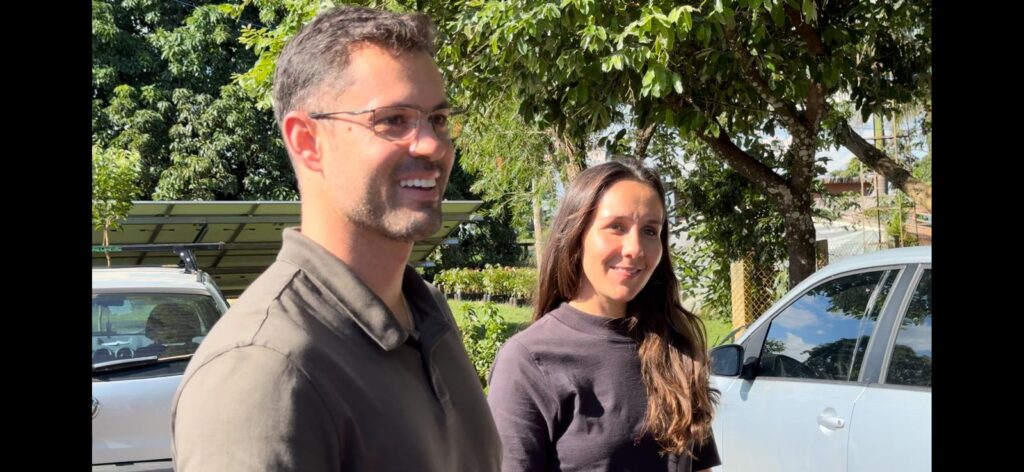
Next up, we loaded into cars and made the drive to one of FAF’s newest farm relationships, Fazenda Liberdade.
We met Guilherme and Gabriela Vicentini, the 5th-generation coffee producers here. They told us that they had been inspired by FAF and were beginning the long process of converting their massive coffee estate to a more organic method of farming.
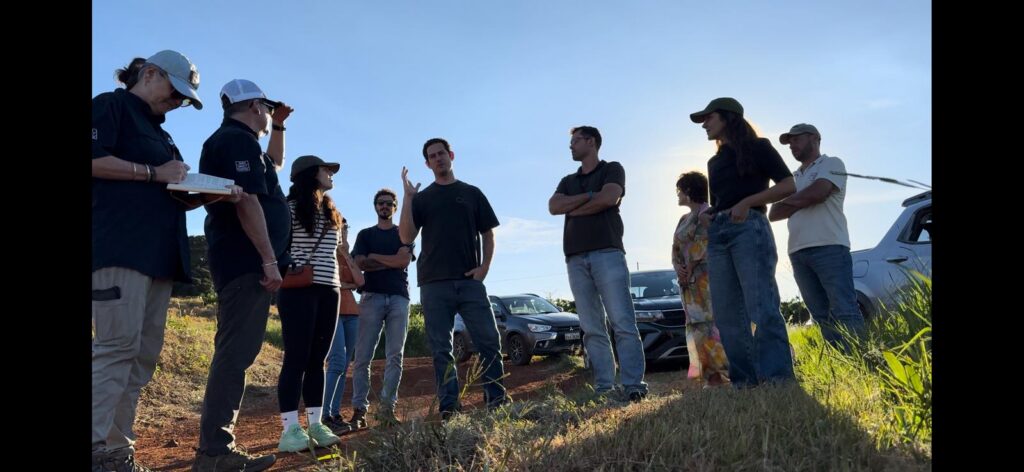
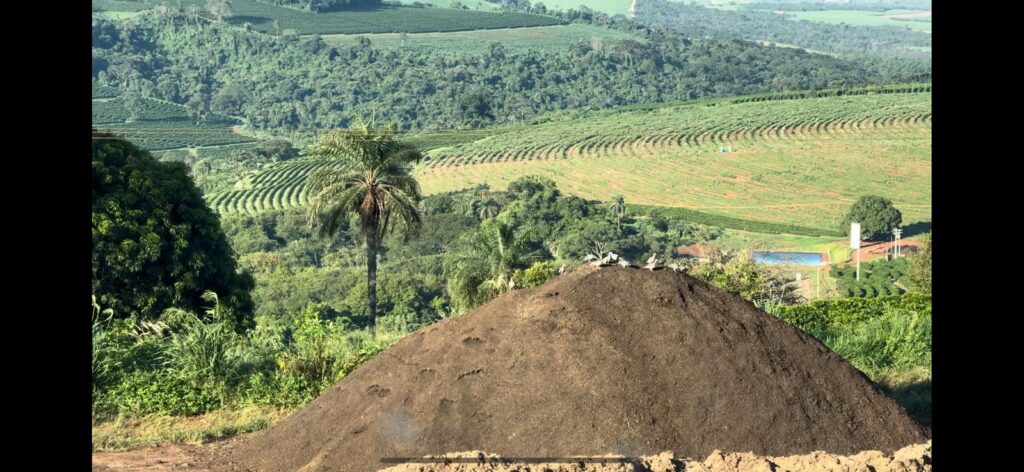

They showed us a big new pile of compost ready to spread throughout their fields, hopefully beginning the restoration of the soil that, over decades of application of harsh chemicals, had become dirt.
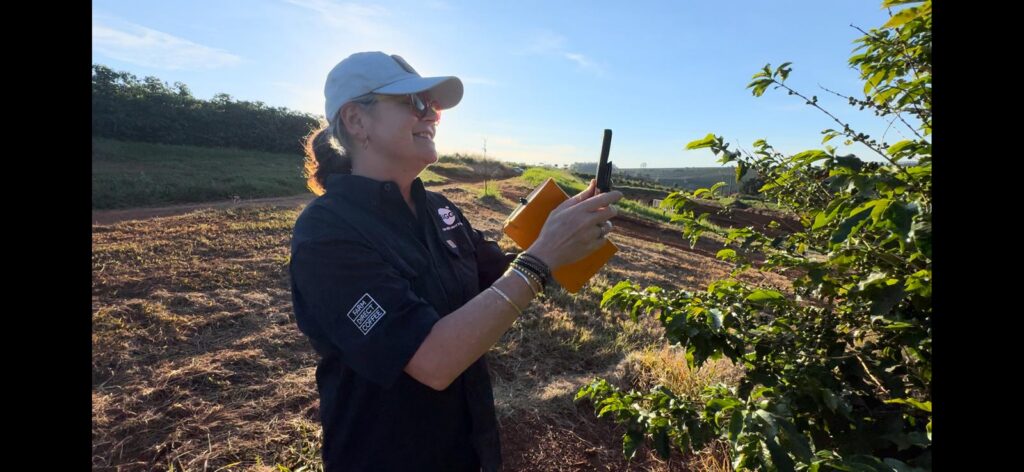
They showed us a coffee tree that was 65 years old. It might have been the oldest coffee plant Bob and Michelle had ever seen.
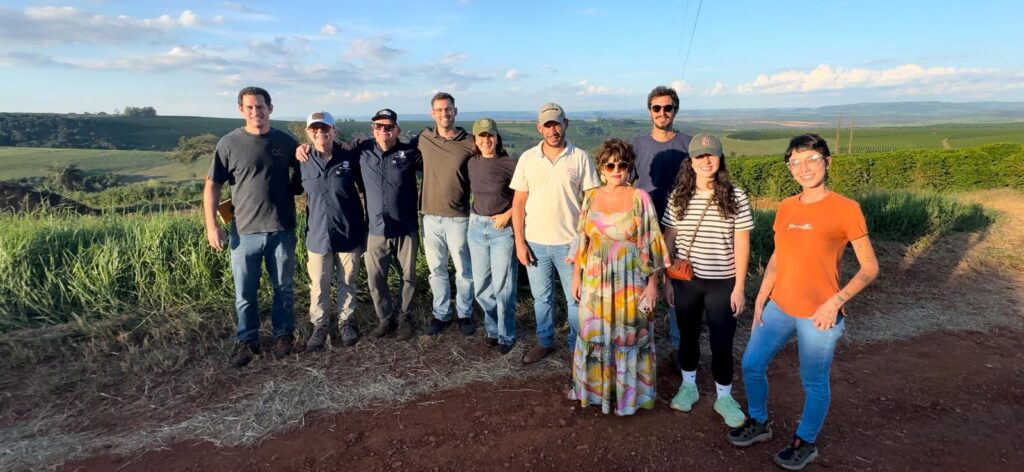
The sun sank low, and we posed for a group photo. This is what most of the coffee in Brazil looks like, but very few of these mega farms have any interest in diverting from the degenerative status quo. Still, more and more people are facing the reality that the consequences of the status quo may make this generation of coffee producers on farms like these the last.
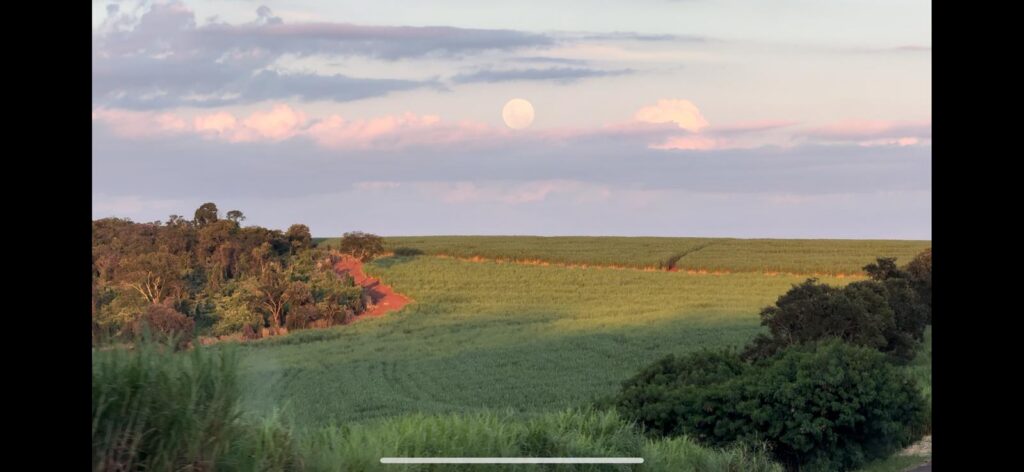
As we drove back to FAF, a nearly full moon appeared through the clouds.
Bob often says that when you are looking at a long innovation journey, the most important thing is to get started. Thanks to visionary leaders like FAF, the transformation of coffee in Brazil may be getting started.
Sitio Boa Esperança
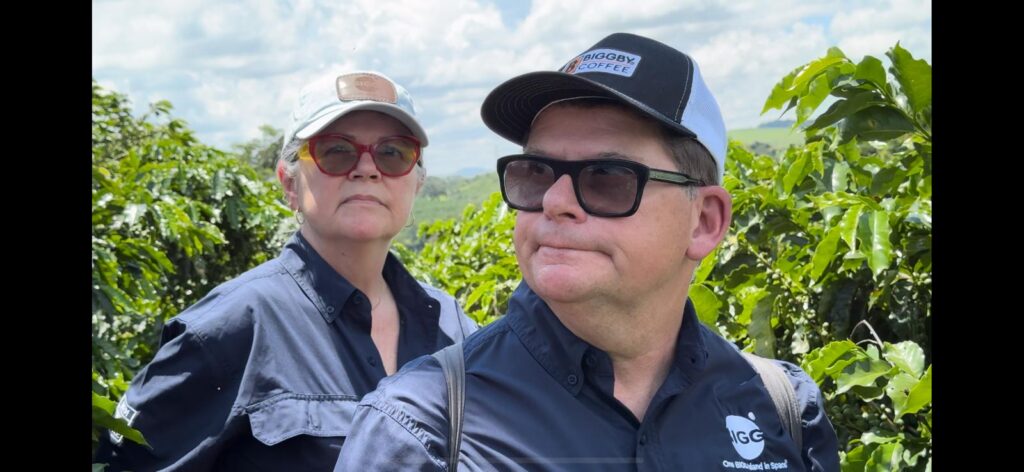
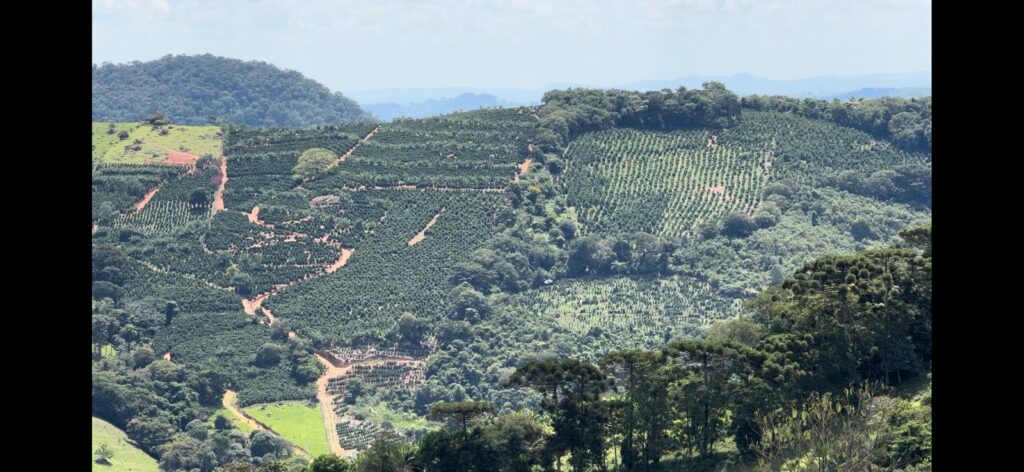
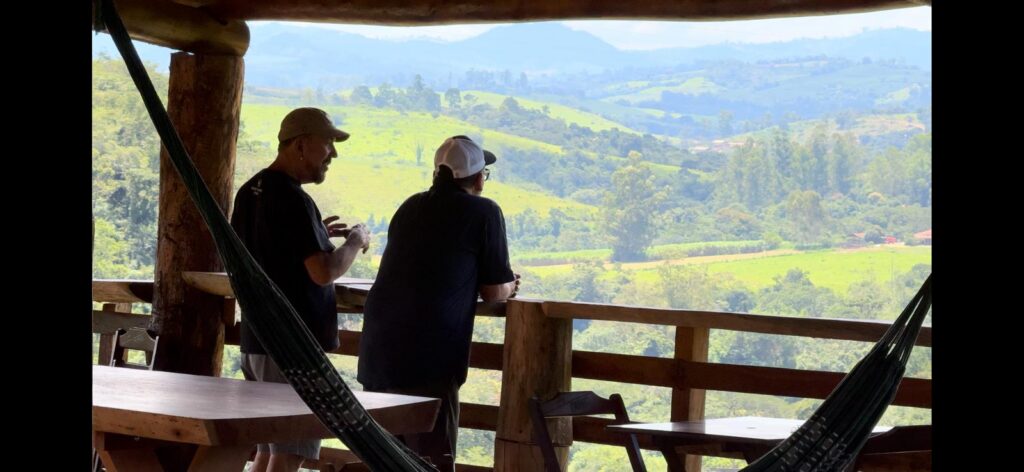
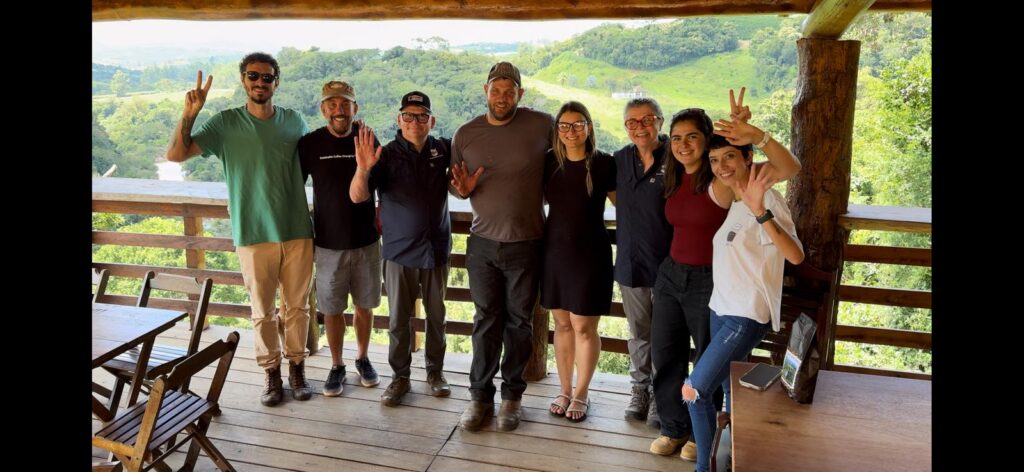
First up was Darcy and Sara at Sitio Boa Esperança (Good Hope Farm). It is a wonderful farm with a wonderful view (and they hosted us for a wonderful lunch).
Marcos told us how challenging it is to challenge the chemical-intensive farming methods that are seen as simply “the way you do it” in Brazil.
Sitio Joaninha
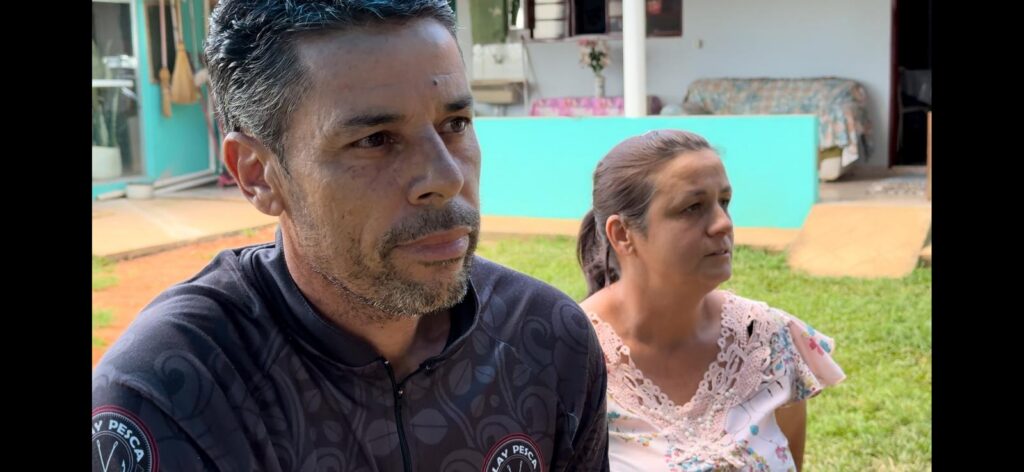
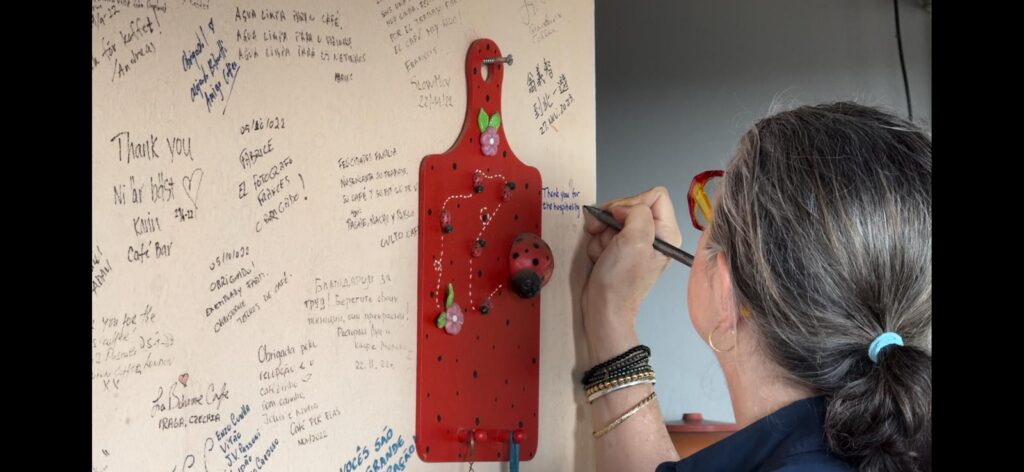
Next up was Sitio Joaninha (ladybug farm) run by Valdir and Daniela.
They had been working FAF for a few years and had seen a real difference in the value of their coffee and, as a result, their finances.
They have a wall in their house where they ask visitors to sign. One of the important things FAF does for its collaborating farms is finding markets all over the world for their excellent coffee.
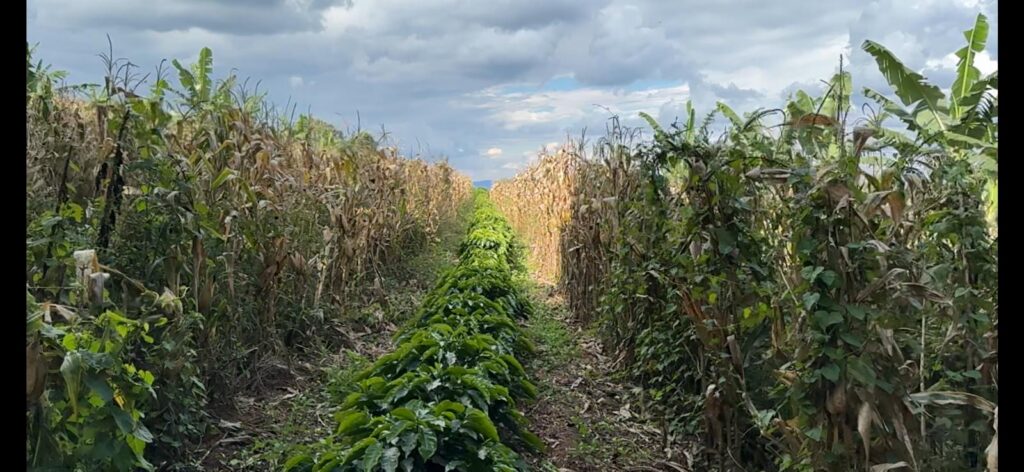
While we drove to the next farm, we passed a few fields that had young coffee growing in between rows of corn. It takes Coffey 3 to 4 years to be productive, and intercropping corn is a great way to get some value out of the field while you’re waiting. And the corn can help to shade the young coffee!
Roadrunner Farm
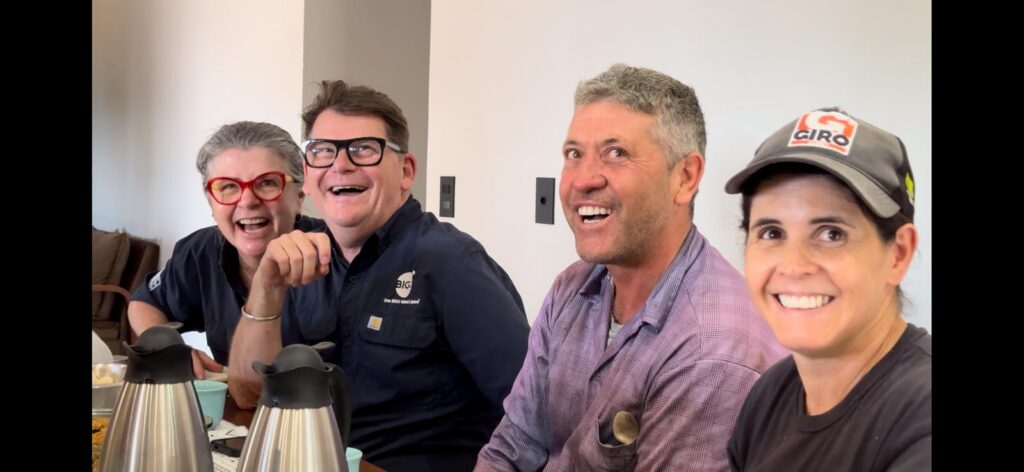
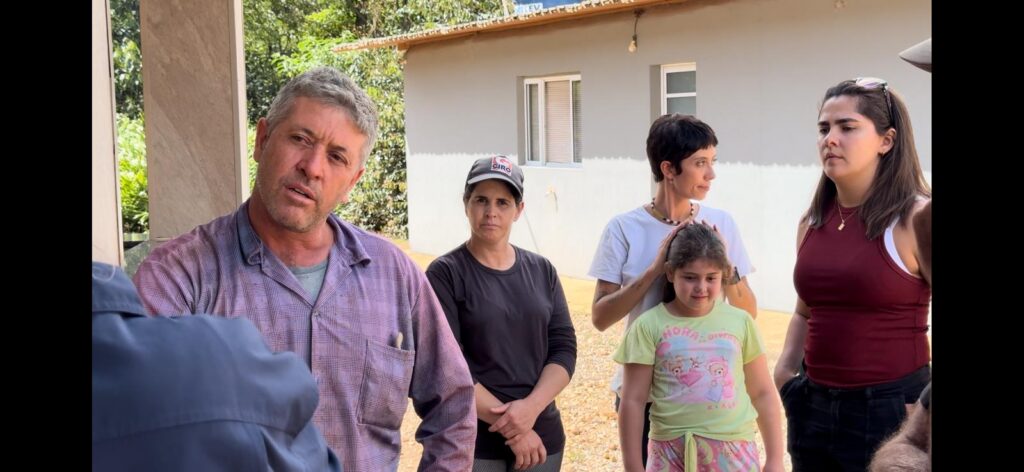
Soon, we arrived at Sitio Siriema (Roadrunner Farm) and the home of Ivan and Rosemeire and their daughter, Maria Victoria.
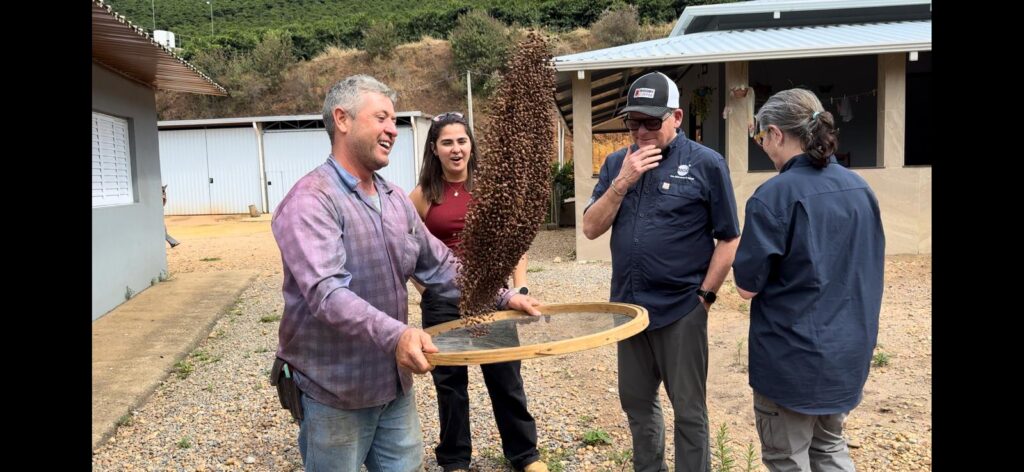
Ivan proudly showed us the way he purifies the water he uses before it leaves his farm. He also showed us his skill with a traditional method of getting stones and other debris out of green coffee. His coffee was roasted, but we got the picture. And what a picture!
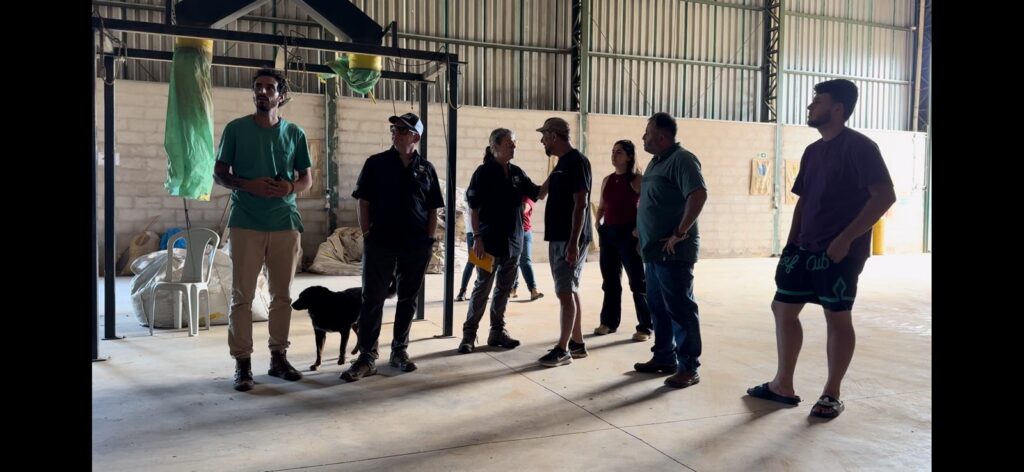
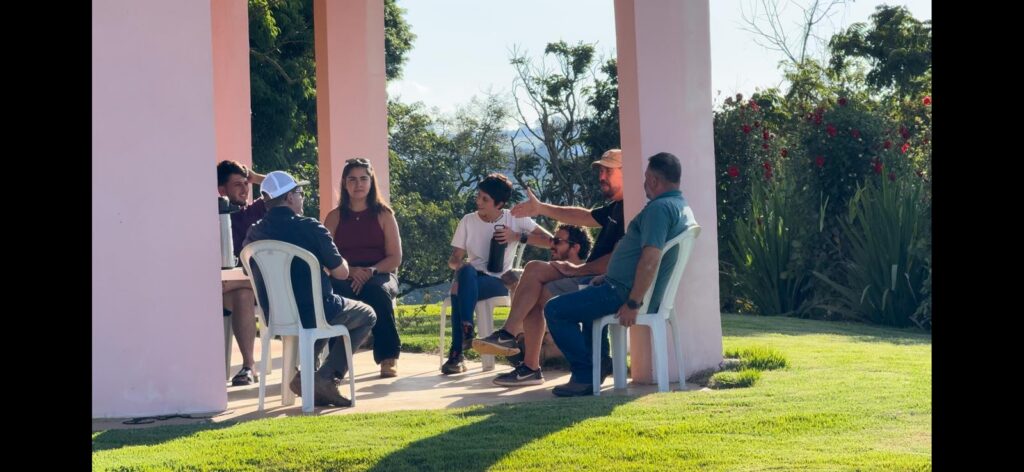
For the final stop of the day, we climbed high to the top of a hill with an amazing view of the watershed below. That matters because Marcos in particular is trying to work with all of the coffee producers in this watershed to ensure that they are keeping the water clean and plentiful for their community, for their coffee, and for future generations.
João Hamilton, his wife Juliana, and son João Victor were some of the first coffee producers to become interested in these “crazy” farmers at FAF. Their lives have never been the same since, and their economic fortunes have improved dramatically.
Serra do Cijano. Gypsy Mountain
Sitio Canaan
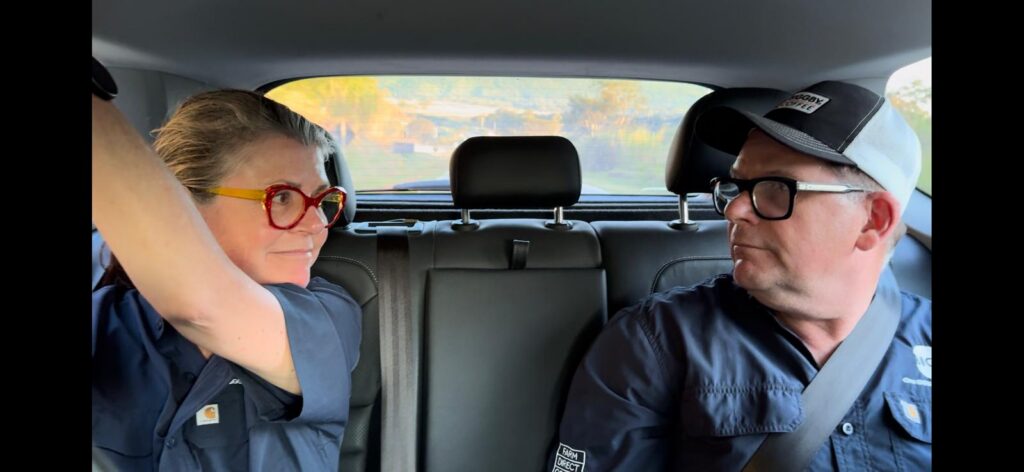
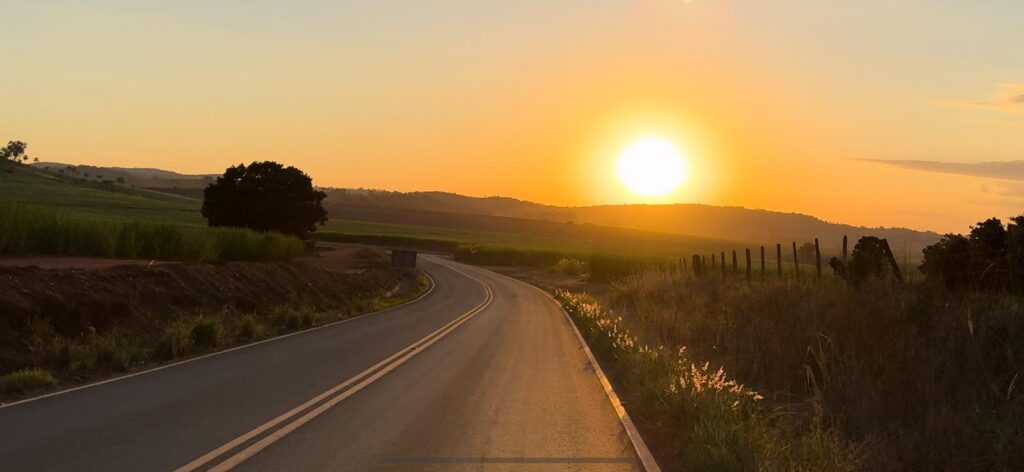
We said “see you later” and began our drive back through the golden countryside to FAF. All around us were giant, monoculture farms growing soy, sugar, eucalyptus trees, and coffee. But for the occasional palm tree, this landscape could be the American Midwest. There too, agriculture is focused on huge chemical use and mono crops for maximum efficiency.
It can seem daunting and there is surely a long way to go before commodities like coffee and all of these other ones can be produced in a way that is good for people, planet, and community. But the change is coming and it will most likely happen, has all things must, one step at a time.
The Final Day
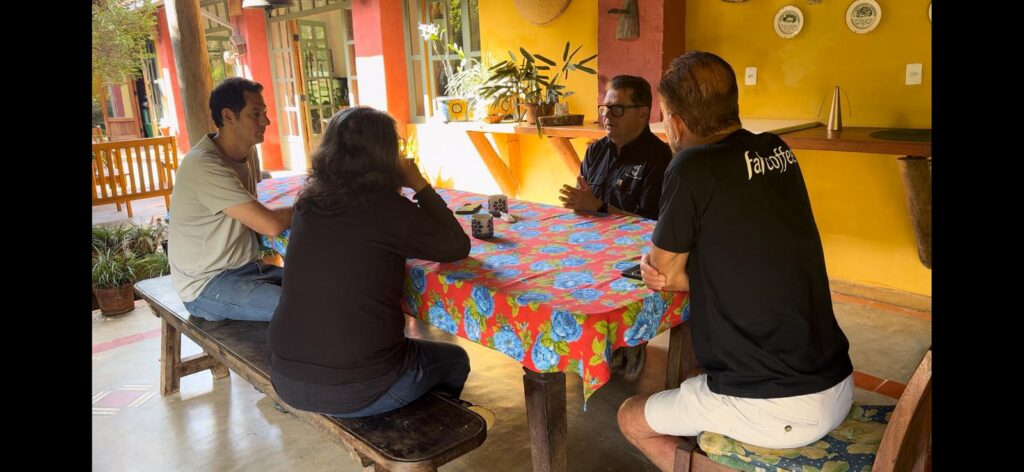
Our final day in Brazil began with a long conversation with Filipe and Marcos. We told them about all of the wonderful things we had seen, and about a few concerns we had too.
To become an OBIIS partner, it’s very important that the relationship be transparent and collaborative. We believe that having a frank debrief is critical to that process. And this conversation was a powerful one.
FAF shared a story of what had happened with another one of their buyers in 2025 when coffee prices reached record highs, and how hard they worked to fulfill their obligations. Unfortunately, the buyer, like so many others in the coffee industry, was unwilling to level the playing field in a system that is built to serve consuming countries at the expense of producing countries.
By the end of the conversation, we were feeling pretty good about the foundation of this relationship.
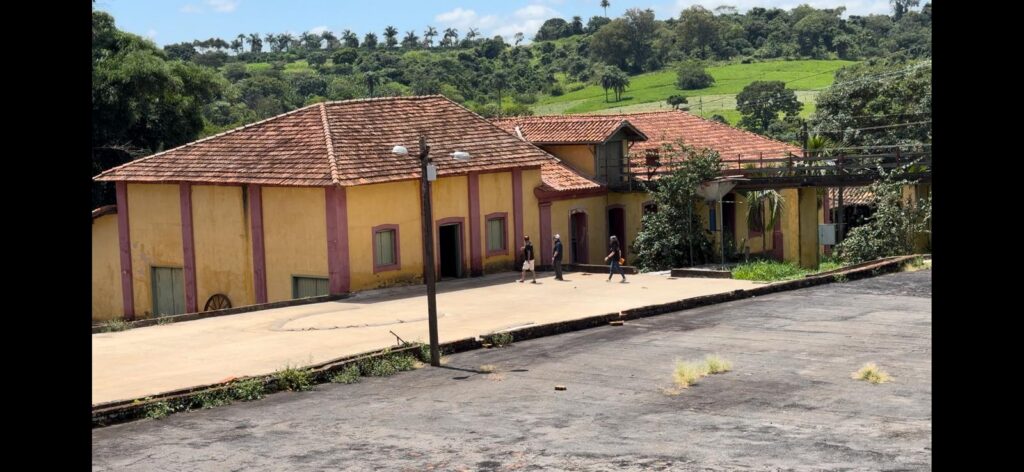
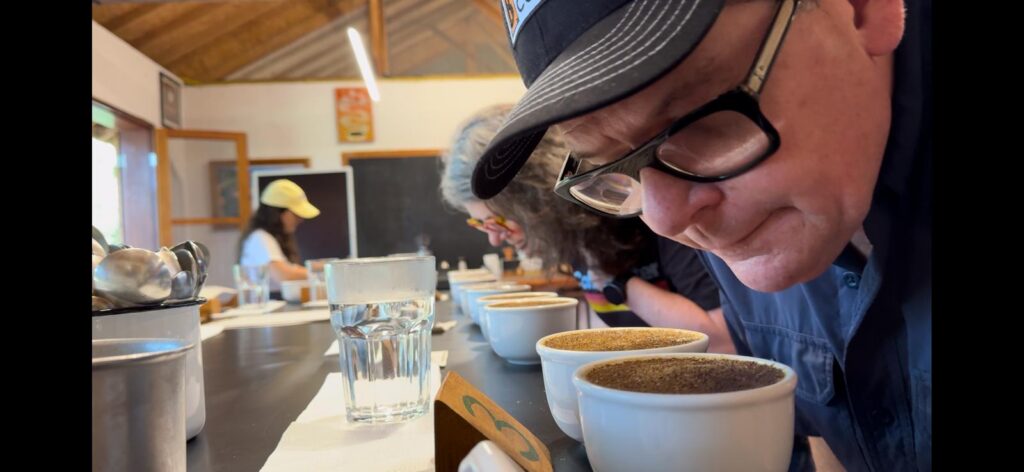
This was our first visit to FAF. While there are some really exciting things happening here, it takes the OBIIS team three visits to seal a deal.
The debrief ended, and Marcos insisted on showing us some books and crannies of FAF that we hadn’t seen yet. Well, that, and a cupping.
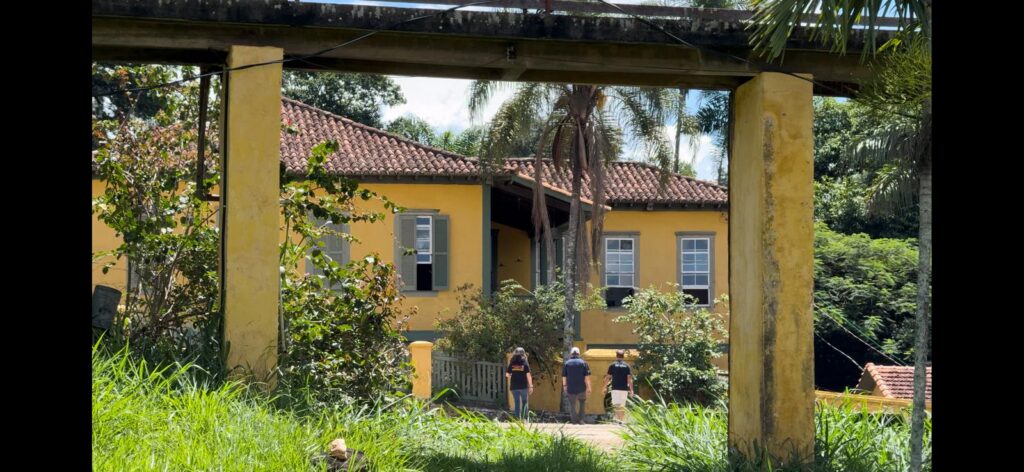
The main house of this farm was built in the 1850s, and there is no shortage of history here. The last several decades have featured major efforts at reforestation and sustainability that contain vital lessons for the broader coffee world.
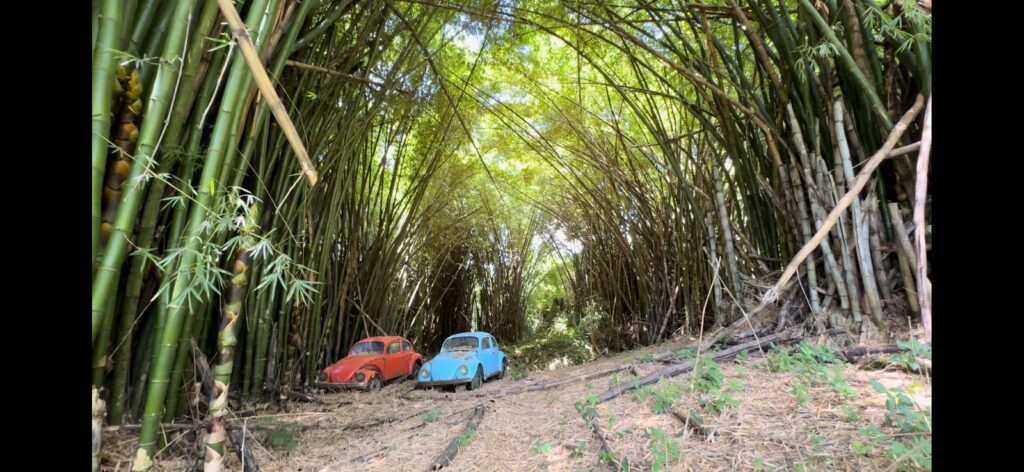
Oh, and they randomly have a few Volkswagen Beetles that are slowly decomposing under a dense canopy of bamboo.
As the tour wrapped up and we packed our things, we reflected on FAF. Like any big effort, there is a team that is making all of this happen.
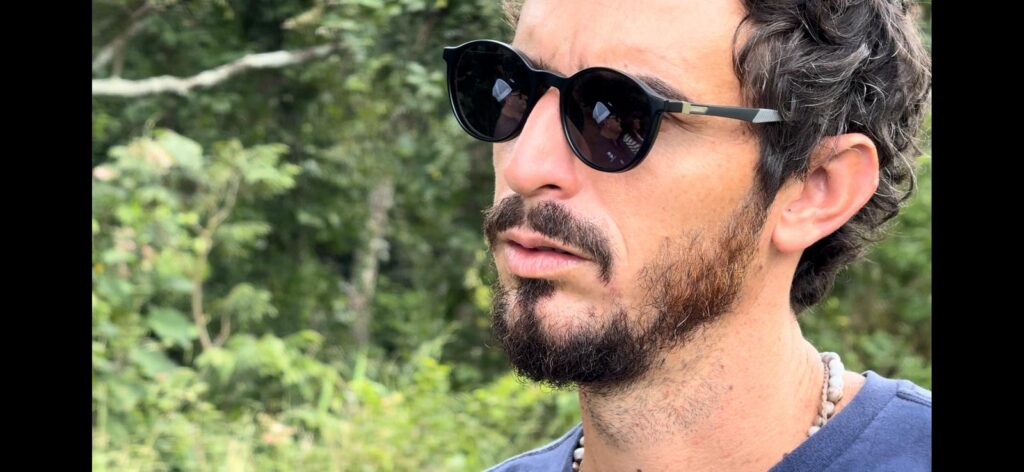
Samuel, pictured here with some highly reflective glasses, is a natural farming savant, and Filipe’s right-hand man, figuring out how to meet the challenges of a Brazilian coffee farm through the most natural methods possible.
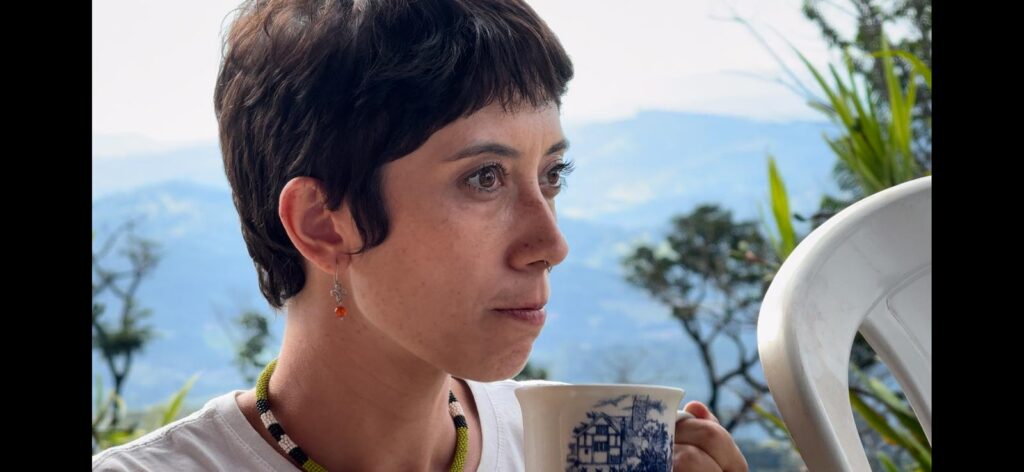
Gabi, pictured here carefully tasting some coffee, is in charge of communications and marketing along with UDR compliance.
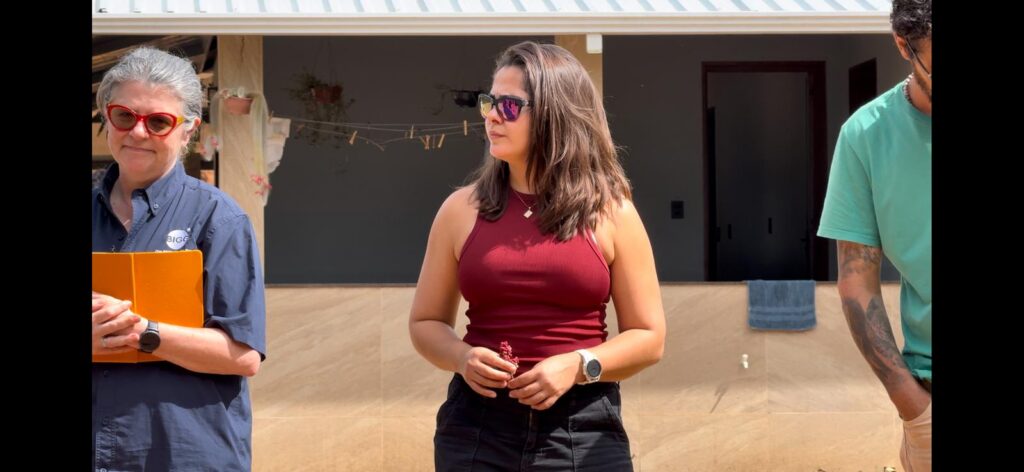
Margarita is a Colombian graduate student who is s spending a lot of time at FAF, studying the cost of production, and how it can inform pricing for commodities like coffee.
There are many more people who are making all of this happen too, and while we didn’t get to know everyone on this trip, we’re hopeful that we will be back.
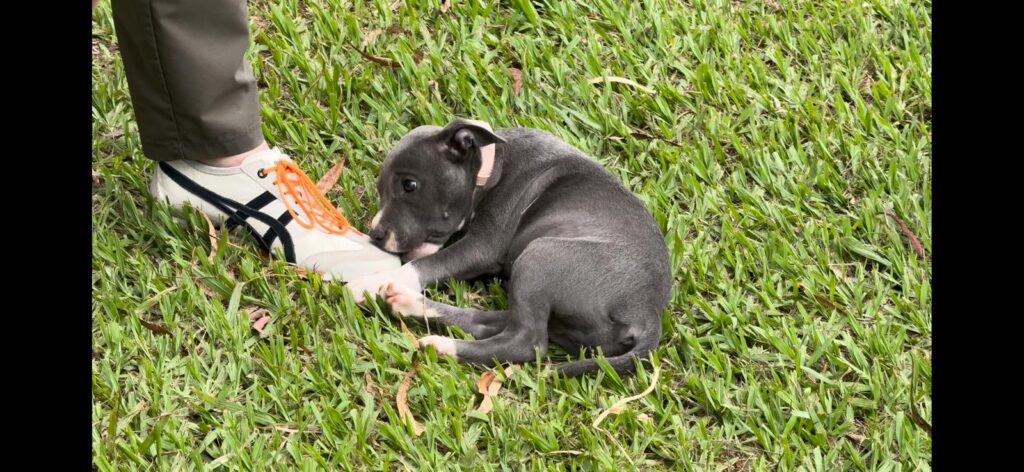
P.S. Filipe and Julia also have an adorable new team member named Paloma. She is learning not to bite right now, but she is getting to know the farm and finding her place in this wonderful world.